Why Exercise and Nutrition Go Hand in Hand in Later Life
Many active seniors exercise diligently but underestimate nutrition as the second pillar of performance. Sports nutrition for seniors is not a luxury, but rather the foundation for training to truly pay off.
From the sixth decade of life onward, muscle mass decreases continuously without targeted training, a process that experts call sarcopenia. At the same time, the basal metabolic rate drops, while the need for high-quality proteins and micronutrients increases. Exercise provides the stimulus, and nutrition supplies the building blocks for adaptation.
An active senior couple in a modern kitchen prepares a high-protein dish with fresh vegetables together, a shaker stands next to them, and bright daylight falls through the window
Those who plan exercise and nutrition as a single unit benefit twice. Strength training maintains muscle mass and bone density, endurance training strengthens the cardiovascular system, and the right intake makes both effective. The German Nutrition Society emphasizes the growing importance of protein and exercise for maintaining independence in later life in its current reference values for nutrient intake.
Sports Nutrition for Active Seniors: These Fundamentals Count
The foundation consists of three pillars: sufficient protein, smart carbohydrates, and consistent hydration. The crucial difference from the sports nutrition of younger people lies in the interplay between training stimulus and nutrient timing—an aspect that most guides for seniors omit.
The Principle of Training Adaptation: Why Food Is Part of Training
Every training session provides a stimulus that challenges muscle fibers and prompts the body to adapt. This adaptation does not happen during training, but in the 24 to 48 hours afterward. In this time window, nutrient intake determines whether the body repairs itself effectively.
In active seniors aged 60 and older, muscle protein synthesis responds more weakly to dietary protein than in younger years—research refers to this as "anabolic resistance." Seniors therefore need not only more protein per meal but also more precise timing.
The Three Fundamentals in Detail
1. Protein: The Building Block That Cannot Wait
The German Nutrition Society recommends a daily protein intake of 1.0 gram per kilogram of body weight for older adults—but for active seniors who engage in strength or endurance training, the requirement is higher according to current sports medicine guidelines: 1.2 to 1.5 grams per kilogram. At a body weight of 75 kilograms, that is 90 to 112 grams daily.
The distribution error that many make: A large portion of meat in the evening, and hardly any protein during the day. The muscle can only use about 25 to 30 grams of protein per meal for muscle protein synthesis—anything beyond that is predominantly oxidized or converted into energy. Therefore, four to five servings of 25 to 30 grams distributed throughout the day are more effective than two large servings.
2. Carbohydrates: Timing Instead of Abstinence
Carbohydrates are not the enemy—they are the fuel for the training session and the catalyst for recovery. Timing is crucial: before training, they provide energy; after training, they support the replenishment of glycogen stores.
Specifically, this means: A carbohydrate-rich meal (whole-grain bread, oatmeal, rice) two to three hours before training, and a combination of protein and carbohydrates within two hours afterward. An example: Plain yogurt with berries and oatmeal, or whole-grain bread with quark and honey.
3. Fluid: The Silent Performance Factor
With increasing age, the sense of thirst decreases. However, active seniors still sweat during exercise, and even a fluid loss of two percent of body weight measurably reduces performance and increases the risk of falls.
In practice: 500 milliliters two hours before training, then small sips (100 to 200 milliliters) every 15 to 20 minutes during the session, and after training as much as needed until the urine is pale yellow. For sessions lasting over 60 minutes or during heavy sweating, electrolytes—especially sodium and magnesium—are necessary to maintain muscle contraction and nerve function.
Pro TipThe easiest way to implement timing: Plan your meals like your training sessions. A fixed eating rhythm with high-protein meals every three to four hours is more reliable than appetite or habit.
The Connection the Competition Overlooks
Most guides treat nutrition and exercise as separate topics. Sports nutrition for seniors is precisely the intersection: It translates exercise science into concrete nutrient strategies. Those who understand the time windows of muscle protein synthesis do not just train—they eat themselves stronger.
Protein Requirements for Seniors and Sports: How to Meet Your Needs
The protein requirement for seniors and sports is significantly higher than general recommendations for younger adults. Studies and nutrition societies advise active people aged 60 and older to consume a daily amount that actively supports the maintenance of muscle mass.
As a guideline: about 1.2 to 1.5 grams of protein per kilogram of body weight daily. A senior weighing 75 kilograms therefore needs around 90 to 110 grams of protein per day. That sounds like a lot, but it can be achieved with the right distribution.
Practical protein sources are low-fat quark, yogurt, fish, chicken, lentils, and tofu. Those who eat plant-based should ideally combine different sources, such as grains with legumes, to increase the biological value. The recommendations of the German Nutrition Society on protein intake provide concrete guidance on this.
Distribute Protein Throughout the Day Instead of Only After Training
The biggest mistake is concentrating all the protein in one meal—excesses are not stored.
It is better to distribute it over four to five servings: 25 to 30 grams of protein per meal is considered a sensible amount. A breakfast with quark or eggs, a lunch with fish or meat, a high-protein snack in the afternoon, and a dinner with legumes meet the requirement without overdoing it.
Pro TipAfter training, timing counts: A high-protein meal within two hours after the session optimally supports recovery. A shaker with whey or plant-based protein is the most practical solution here, especially if appetite is lacking immediately after exercise.
Fluid Requirements in Later Life: Drinking as a Performance Factor
Fluid requirements in later life are often underestimated because the sense of thirst decreases. Active seniors still sweat during exercise, and even a fluid deficit of two percent of body weight measurably impairs performance.
As a guideline, 1.5 to 2 liters distributed throughout the day, and significantly more on training days. Drinking is particularly important before, during, and after exercise: About 500 milliliters two hours before the session, then small sips regularly during training.
Water alone is not enough for longer sessions. Electrolytes such as sodium and magnesium compensate for losses through sweating. Unsweetened teas, diluted juice spritzers, and mineral-rich water are good options. The drinking recommendations of the Federal Institute for Risk Assessment provide reliable guidelines for everyday life.
Important InsightThose who wait until they are thirsty have already missed the optimal time to drink. Fixed drinking times with meals and around training are more reliable than one's own sense of thirst.
Micronutrients That Boost Muscle Metabolism
In addition to macronutrients, micronutrients determine the quality of muscle metabolism. Vitamin D, calcium, and magnesium are particularly relevant for active seniors, as they directly influence bone density and muscle contraction.
A vitamin D deficiency is widespread in northern latitudes and particularly affects older people. Since the body's own synthesis decreases with age, supplementation may be useful after consultation with a doctor.
Omega-3 fatty acids have an anti-inflammatory effect and promote recovery. Zinc and selenium are involved in protein synthesis. Supplementation for sports in later life should always be discussed with a doctor, especially if medications are already being taken.
Recovery After Exercise from 60 Onward: How to Recover Optimally
Recovery after exercise from 60 onward takes longer than in younger years, but it can be trained. Those who actively plan recovery also prevent injuries.
The most important lever is the protein supply after exercise. Within two hours, the body needs building blocks to repair muscle fibers. Stretching exercises and moderate movement on rest days help reduce muscle soreness.
Active recovery with walking, light cycling, or aqua fitness promotes blood circulation and the removal of metabolic products. The alternation between exercise and recovery is the actual training principle.
Sleep and Stress Management as Part of Recovery
Sleep is the most effective recovery measure. During deep sleep, the body releases growth hormones that stimulate muscle building. Older people often sleep for shorter and more restless periods, which impairs recovery.
Fixed sleep times, a cool sleeping environment, and avoiding caffeine in the afternoon measurably improve sleep quality. Stress management is also part of recovery: Chronic stress increases cortisol levels, which promotes muscle loss.
Your 7-Day Plan for Everyday Life
A concrete plan helps implement the principles of sports nutrition for active seniors in everyday life. The quantities depend on body weight, training volume, and personal preferences. Consistency is important: A single high-protein meal does not make up for a week of deficiency.
Two Fitness Levels, One Principle
This plan distinguishes between two profiles because nutrient requirements and training management differ:
Level 1 - Beginner: 2 training sessions per week (1× strength, 1× endurance), goal: build a foundation, maintain mobility. Protein goal: 1.2 g/kg body weight.
Level 2 - Advanced: 3-4 training sessions per week (2× strength, 1-2× endurance), goal: maintain or build muscle mass, increase performance. Protein goal: 1.5 g/kg body weight.
The Weekly Structure
Day
Level 1 (Beginner)
Level 2 (Advanced)
Focus
Monday
30 min. strength training (exercises with body weight or light dumbbells)
45 min. strength training (squats, bench press, rowing with moderate weights)
workout (16:00-16:45): strength training, then protein shake with 30 g protein (within 30 minutes)
dinner (19:00): 150 g lentil curry with tofu and vegetables (approx. 25 g protein)
The crucial timing windows
The plan only works if the nutrients arrive at the right time. Three windows are critical:
before the workout (2-3 hours): a mixture of complex carbohydrates and a small amount of protein (15-20 g). This stabilizes blood sugar and provides energy for the session.
immediately after the workout (0-2 hours): 25-30 g protein plus 30-60 g carbohydrates. This window is particularly important for seniors because anabolic resistance requires faster action. A shake is the most practical solution here, especially if appetite is lacking immediately after exercise.
before bedtime (30-60 minutes): 20-25 g slowly digestible protein (low-fat quark, skyr, or casein shake). Nighttime muscle protein synthesis demonstrably benefits from protein intake before sleep.
Adjustment for health restrictions
In cases of kidney problems, gout, or diabetes, an adjustment of protein and carbohydrate amounts is mandatory. For kidney diseases, protein intake should only be increased in consultation with the treating nephrologist. For diabetes, carbohydrates around the workout must be planned particularly carefully to avoid blood sugar spikes.
AttentionThis plan is for guidance, not a medical prescription. In cases of existing illnesses, medication (especially blood thinners, diabetes medication, or cortisone), or after surgery, medical consultation before starting training and changing your diet is mandatory.
Ideal forThis plan is suitable for active seniors who train two to three times a week and want to optimize their diet without a strict diet. Level 1 is intended for returnees or people with little training experience, Level 2 for those who already train regularly and want to further increase their performance.
Why this plan is different
This plan combines exercise science with nutritional strategy: It determines when to train, when to eat, and what amounts are appropriate for which fitness level.
Conclusion: With the right sports nutrition, you stay vital
The combination of strength training, endurance, and thoughtful sports nutrition keeps muscles, the cardiovascular system, and the mind performing well into old age. Those who distribute protein intake, drink consistently, and pay attention to micronutrients create the foundation for active years.
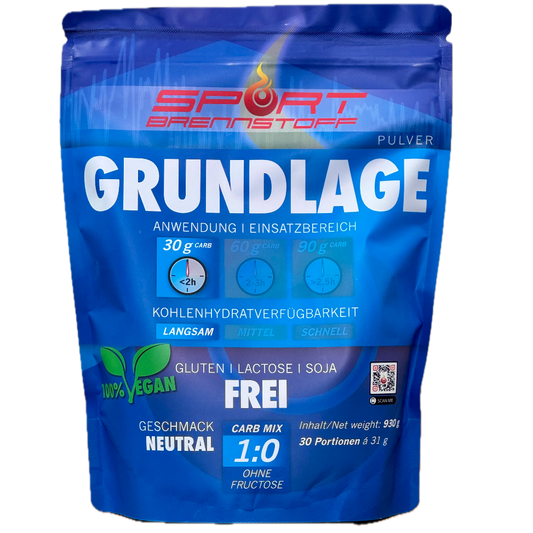
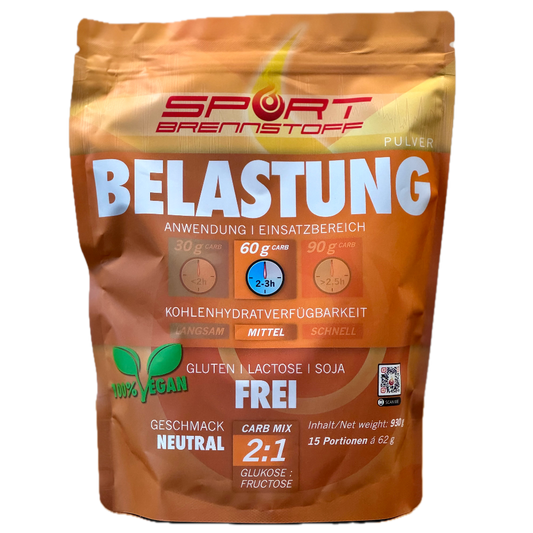
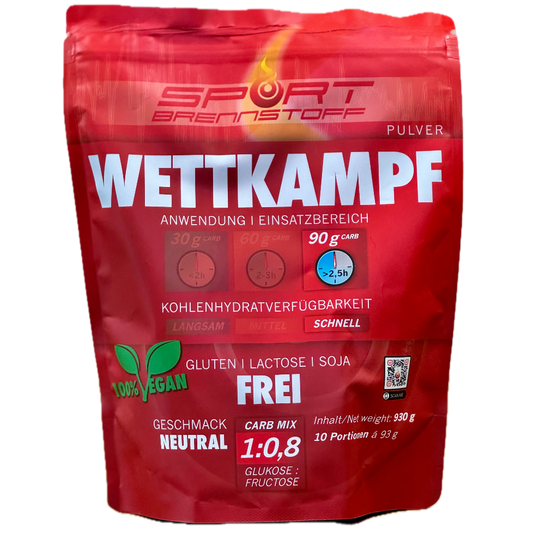
Our products at SportBrennstoff are scientifically formulated, vegan, and particularly gentle on the stomach, developed by athletes for athletes. Certification by the Kölner Liste® guarantees the highest quality standards, and the individual dosage recommendation takes your training intensity into account. Start with small steps: redistribute your protein, drink more regularly, and consciously plan your recovery.
Frequently asked questions
Which nutrients are particularly important for active seniors?
Protein is first and foremost to support muscle maintenance and muscle building and to prevent sarcopenia. In addition, calcium and vitamin D are central for bone density and osteoporosis prevention. Omega-3 fatty acids have an anti-inflammatory effect and support the joints. Also pay attention to high nutrient density: Choose whole-grain products, vegetables, and high-quality oils so that your body still receives all vitamins and minerals despite lower calorie requirements.
How does sport change the protein requirements of seniors?
With age, the body's ability to convert protein into muscle mass decreases, known as anabolic resistance. Sport increases the requirement additionally. Active seniors should consume about 1.2 to 1.5 grams of protein per kilogram of body weight daily. At 70 kilos of body weight, that is 84 to 105 grams. Distribute the protein intake over three to four meals of 25 to 30 grams each to constantly stimulate muscle building throughout the day.
Why is hydration critical for seniors during sport?
With increasing age, the sense of thirst decreases, while kidney function declines. The risk of dehydration increases before you even feel thirsty. Even a fluid loss of two percent of body weight can noticeably impair performance and concentration. Therefore, drink regardless of the sense of thirst: about 300 to 500 milliliters two hours before exercise and small sips every 15 to 20 minutes during the session.
What role do supplements play in sports nutrition for seniors?
Supplements can fill targeted gaps, but do not replace a balanced diet. Vitamin D is useful, as it is hardly formed from the sun in Germany during the winter months, as well as possibly protein powder if you do not meet the requirement through normal meals. Look for products with Kölner Liste® certification to ensure that no unauthorized substances are contained. Have larger supplementations medically supervised and always combine them with strength training.
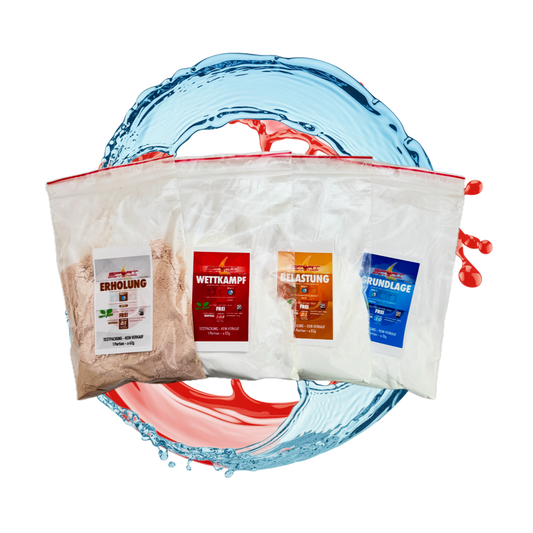
Switching to adapted sports nutrition requires discipline, but pays off with more vitality and quality of life. SportBrennstoff supports you with a scientifically sound product range for various exertion levels that can be seamlessly integrated into your training routine. Start with the sample pack and experience the difference at your next training session.
Hat einen angenehmen neutralen Geschmack und geht direkt in die Beine! Nutze es in fast jedem Training für meinen Ironman 👍
Hallo Melanie, vielen Dank für deine tolle Rückmeldung! Schön, dass dir der neutrale Geschmack gefällt und dich unser Sportgetränk bei deinen Ironman-Trainings unterstützt. Wir wünschen dir weiterhin viel Erfolg und starke Beine! :-)
Das Wettkampf-Sportgetränk hat meine Erwartungen voll erfüllt
Das Wettkampf-Sportgetränk hat meine Erwartungen voll erfüllt. Über die gesamte Zeit des Radfahrens (Langdistanz) konnte ich das Getränk zuführen und kam ohne spürbares Energiedefizit in T2 an.
Angenehmer, nicht aufdringlicher oder vordergründiger Geschmack.
Hallo Jens, vielen Dank für deine tolle Rückmeldung! Schön, dass dich das Sportgetränk auf deiner Langdistanz zuverlässig versorgt hat und dir der angenehme, dezente Geschmack gefällt. Wir wünschen dir weiterhin viel Erfolg bei deinen Wettkämpfen! Ingolf
Mit diesen beiden Produkten kommt man wirklich in der Aufbauphase sehr gut klar
Mit diesen beiden Produkten kommt man wirklich in der Aufbauphase sehr gut klar.
Hallo Daniel, danke für dein tolles Feedback! Es freut uns sehr, dass das Basispaket dir in der Aufbauphase so gut hilft. Viel Erfolg weiterhin beim Training!
Tatsächlich ist das 6 Tage in der Woche beim Frühstück dabei
Tatsächlich ist das 6 Tage in der Woche beim Frühstück dabei. Innerhalb von einer halben Stunde ist meine Energie geladen und kann direkt ins Training einsteigen. Noch nie Probleme beide Verdauung
Hallo Daniel, vielen Dank für deine tolle Rückmeldung! Es freut uns sehr, dass das Sportgetränk dich so zuverlässig beim Frühstück und beim Start ins Training unterstützt – und du es gut verträgst. Weiterhin viel Freude beim Training! Ingolf
Super Preis Leistungsverhältnis, wir setzen es zum Muskelaufbau und zur Regeneration ein . Wir sind seit vier Monaten sehr erfolgreich mit diesem Produkten.
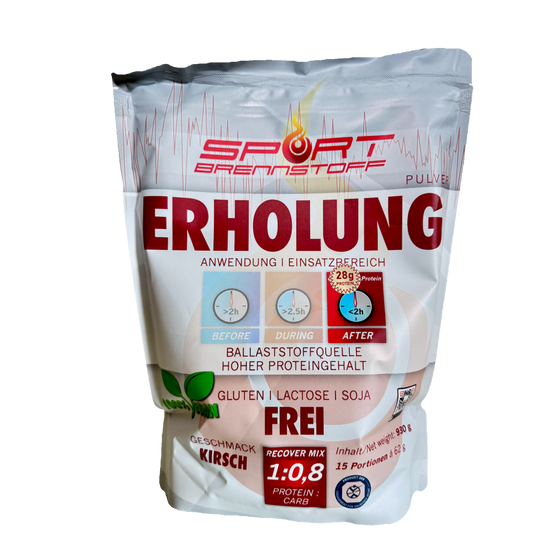
Hallo Daniel, vielen Dank für deine positive Rückmeldung! Es freut uns sehr zu hören, dass du mit unserem Recovery Shake so erfolgreich bist. Viel Erfolg weiterhin beim Muskelaufbau und der Regeneration! Dein Team von Sportbrennstoff