Fundamentals: Energy and Calorie Requirements in Endurance Sports
Creating a nutrition plan for endurance athletes begins with a simple realization: Your body needs energy proportional to your exertion. No more, no less.
The foundation is your individual energy requirement. This depends on three factors: your body weight, your training volume, and your training intensity. A 70-kilogram marathon runner preparing for a race has completely different calorie requirements than a 60-kilogram triathlon trainee in the base phase.
Pro TipA common mistake: Athletes calculate their resting metabolic rate but forget the additional energy intake required for training. This leads to chronic energy deficiency—your body cannot recover, and your performance plateaus.
Calculate Your Individual Energy Requirements
The first step is determining your basal metabolic rate. This describes the energy your body needs at rest. A rough guide: Men need about 1 kilocalorie per kilogram of body weight per hour, while women need about 0.9 kilocalories.
Add your training expenditure. A moderate 60-minute endurance workout burns an additional 400 to 800 kilocalories, depending on the intensity. An intense 90-minute workout can cost 1,200 kilocalories or more. These figures are estimates—they depend heavily on your body weight, fitness level, and exact intensity.
Consider Training Volume and Intensity
This is where it gets interesting: Training volume alone does not tell you how much energy you need. A 120-minute run at Zone 2 pace (easy endurance run) costs less energy than a 60-minute interval workout. Training intensity multiplies your energy costs.
Therefore, it makes sense to categorize your training days:
Easy Days: Zone 1 or Zone 2 training, under 60 minutes
Moderate Days: Zone 2 to Zone 3 training, 60-90 minutes
Intense Days: Zone 3 to Zone 5 training, 45–90 minutes
Rest Days: No structured training
Each category has its own energy requirement and, therefore, its own nutritional approach. This is the core of a functional nutrition plan for endurance athletes.
Distribute Macronutrients Correctly: Carbohydrates, Protein, and Fat
Energy does not come from nowhere—it comes from macronutrients. The correct distribution determines whether your body recovers quickly or whether you feel chronically exhausted.
Carbohydrates as an Energy Source
Carbohydrates are the currency of your endurance sport. They are converted into glycogen and stored in the muscles and liver. An endurance athlete with empty glycogen stores is like a car without gasoline—it won't run anymore.
The rule of thumb: Endurance athletes should consume between 5 and 10 grams of carbohydrates per kilogram of body weight per day. A 70-kilogram athlete in an intense training phase therefore needs about 490–700 grams of carbohydrates daily.
Not all carbohydrates are the same. Simple carbohydrates (sugar, white bread) are absorbed quickly—ideal immediately before or after training.
Important InsightThe difference between a great workout and one where you hit a wall is often not the training method—it's your glycogen stores. Empty stores = poor performance. Full stores = performance.
Protein Requirements and Recovery
Protein is often the neglected child of sports nutrition. Many endurance athletes think, "I'm not a bodybuilder, I don't need much protein." That is a mistake.
The protein requirement for endurance athletes is between 1.2 and 2.0 grams per kilogram of body weight per day.
The best strategy: Distribute your protein throughout the day.
Fat is the third macronutrient. It should make up about 20–30 percent of your daily calories. Fat is important for hormone production, inflammation management, and the absorption of fat-soluble vitamins.
Endurance Sports Nutrition Plan Example: Concrete Weekly Plan
Theory is nice. Practice is better. Here is a concrete example of what a nutrition plan for endurance sports looks like for an average triathlete—70 kilograms body weight, mixed training, 12–14 hours per week.
Endurance athlete doing meal prep with fresh fruit, vegetables, legumes, and whole grains, sorted in containers for weekly preparation on a light kitchen table
Structuring Training Days vs. Rest Days
One training day is not the same as another. Structure is crucial:
Easy Training Days (Zone 2, under 90 minutes): 2,400–2,600 kilocalories, 300 grams of carbohydrates, 100 grams of protein, 70 grams of fat
Moderate Training Days (Zone 2–3, 90–120 minutes): 2,800–3,000 kilocalories, 380 grams of carbohydrates, 110 grams of protein, 80 grams of fat
Intense Training Days (Zone 3–5, 60–90 minutes): 3,000–3,200 kilocalories, 400 grams of carbohydrates, 120 grams of protein, 85 grams of fat
Rest Days: 2,000–2,200 kilocalories, 220 grams of carbohydrates, 90 grams of protein, 70 grams of fat
The differences may seem small, but they add up over a week. A rest day with 400 grams of carbohydrates is a mistake—your body needs less energy, but not zero carbohydrates.
Food Selection and Meal Planning
Concrete foods are more important than abstract macros. Here is an example for a moderate training day:
Breakfast: 100 grams of oatmeal, 300 milliliters of plant-based milk, one banana, 30 grams of almonds, a handful of berries. This amounts to about 550 kilocalories, 70 grams of carbohydrates, 15 grams of protein.
Before Training (30–60 minutes before): A piece of white bread with honey and a banana.
During Training (for sessions over 90 minutes): A sports drink or energy bar.
After Training (within the first 30 minutes): A recovery shake with carbohydrates and protein.
Snack: 150 grams of yogurt (or vegan alternative), 50 grams of muesli, berries.
Dinner: 180 grams of salmon or lentils, 200 grams of rice, 100 grams of spinach, one tablespoon of oil.
In total: about 2,900 kilocalories, 380 grams of carbohydrates, 115 grams of protein, 80 grams of fat.
Nutrition Before Endurance Training: Preparing for Performance
The pre-workout meal is often underestimated. It determines whether you start with a full tank or whether you already feel empty after 20 minutes.
Timing is crucial. A large meal (over 500 kilocalories) should be at least 3 hours before training. A moderate meal (300–400 kilocalories) 2 hours before. A light snack (under 200 kilocalories) 30–60 minutes before.
The composition: Carbohydrates and protein, but little fat and fiber. Fat and fiber slow down digestion and can lead to stomach problems.
Nutrition During Endurance Training: Fueling on the Go
For training sessions under 90 minutes, you do not need additional energy intake. Your glycogen stores will last. For longer sessions, it gets complicated.
Carbohydrate and Fluid Intake During Long Sessions
From 90 minutes onward, you should consume external carbohydrates.
This is not optional. Without external carbohydrates, your performance drops significantly. Your body cannot mobilize fat quickly enough to meet the energy demand.
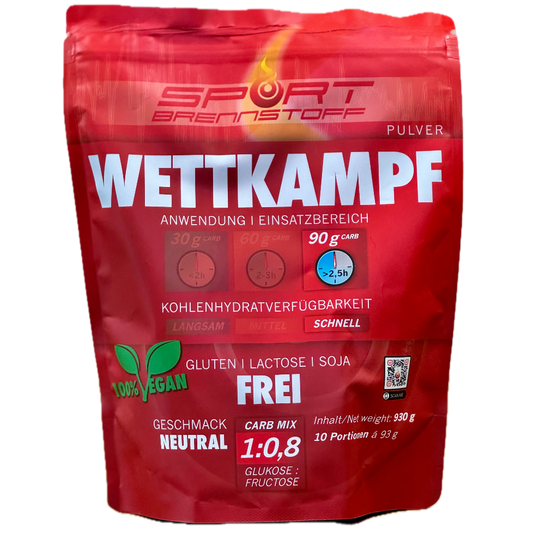
The best source: Sports drinks, energy gels, or energy bars. SportBrennstoff's WETTKAMPF Sports Drink provides 90 grams of carbohydrates per serving with an optimized glucose-fructose ratio—just right for long sessions and competitions.
Fluid is just as important. You should drink about 500–750 milliliters of fluid per hour, depending on temperature and sweat rate.
Nutrition After Endurance Training: Optimizing Recovery
The time after training is your window. In the first 30–60 minutes, your body can absorb and utilize nutrients particularly efficiently. Taking advantage of this window is the difference between fast recovery and weeks of fatigue.
Carbohydrate-Protein Combination for Active Recovery
The ideal post-workout meal combines carbohydrates and protein in a ratio of about 3:1 to 4:1. A 70-kilogram athlete should consume about 70 grams of carbohydrates and 20 grams of protein in the first 30 minutes.
Concrete options:
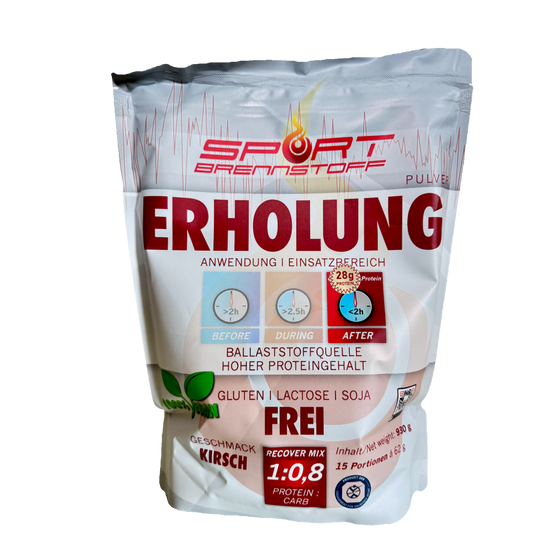
A recovery shake (like SportBrennstoff's RECOVERY) with 60 grams of carbohydrates and 20 grams of protein
White bread with peanut butter and banana
Rice with chicken or tofu
Pasta with tomato sauce and cheese
Fluid is also important here. You should drink about 150 percent of the weight lost during training—if you lost 1 kilogram, drink 1.5 liters over the next 4–6 hours.
AttentionA common mistake: Eating nothing after intense training because you "don't feel like it" or because you "want to lose weight". This is counterproductive. Without recovery nutrients, your body breaks down muscle, not fat. You will become weaker and slower.
Individual Adjustment: Different Endurance Sports and Goals
A marathon runner has different requirements than a triathlete or cyclist. A beginner has different requirements than a competitive athlete. A 25-year-old has different requirements than a 55-year-old.
Vegetarian and Vegan Nutrition in Endurance Sports
Vegan endurance athletes have additional planning effort, but it works. The challenge: Plant-based protein sources are often less concentrated and harder to digest.
Good vegan protein sources:
Legumes (lentils, chickpeas): 15–20 grams of protein per 100 grams cooked
Tofu and tempeh: 15–20 grams of protein per 100 grams
Nuts and seeds: 10–15 grams per 30 grams
Grains (quinoa, amaranth): 8–12 grams per 100 grams cooked
Plant-based protein powders: 20–25 grams per serving
SportBrennstoff's products are completely vegan and specially formulated for endurance athletes—a reliable option for vegan athletes who do not want to leave their recovery to chance.
Stomach-Friendly Options and Tolerability
Many endurance athletes have stomach problems—during training, during competition, or afterward. The causes are varied: too much fat, too much fiber, too rapid absorption, psychological stress.
The solution: Stomach-friendly foods before and during training. This means simple carbohydrates, little fat, and little fiber. White instead of whole grain, bananas instead of apples, sports drinks instead of real food.
SportBrennstoff's product line is specially designed for stomach tolerance—an important point for athletes who have already had bad experiences.
Practical Implementation: From Planning to Routine
A perfect nutrition plan for endurance athletes is useless if you cannot implement it. The practical side is just as important as the theory.
Shopping List and Meal Prep for the Week
Shopping and preparing on Sunday is the key. A typical shopping list for a week with 12–14 hours of training:
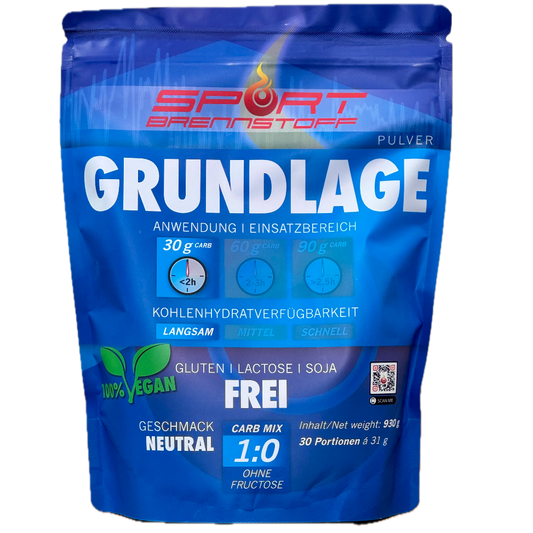
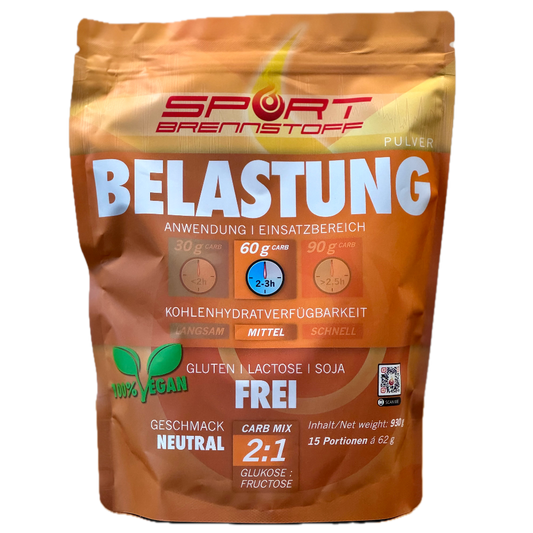
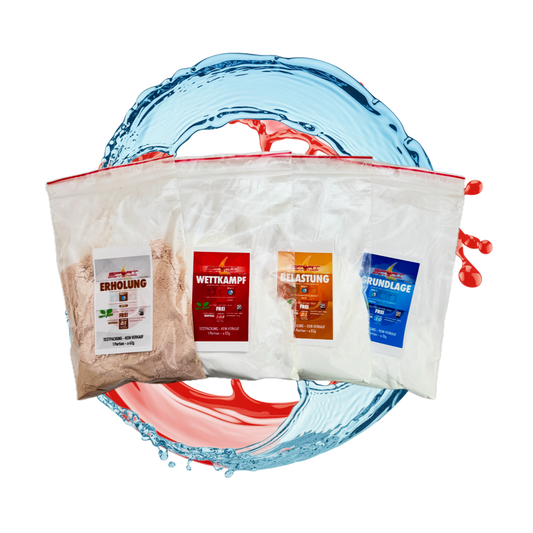
Sport Products: SportBrennstoff's Complete Package with FOUNDATION, EXERTION, COMPETITION and RECOVERY - a complete solution for the week
Meal prep specifically means spending two to three hours on Sunday evening or Monday morning cooking rice, chicken, and vegetables and storing them in containers. Then you have ready-made components for the whole week that you just need to combine.
Competition Preparation and Carboloading
Carboloading is not "eating pasta for three days". It is a systematic strategy to maximize your glycogen stores.
The protocol:
5-6 days before competition: Reduce your training to 50 percent of the normal volume. Increase your carbohydrate intake to 10 grams per kilogram of body weight.
3-4 days before competition: Even less training (30 percent), same amount of carbohydrates.
2 days before competition: Only light activity, 10 grams of carbohydrates per kilo.
Day before competition: Rest day, 10-12 grams of carbohydrates per kilo, but simple carbohydrates and low fiber.
Competition day: Light breakfast 3 hours before the start, then according to plan during the competition.
The idea: Your body is "starved" for carbohydrates and stores them massively. You start with maximum glycogen stores.
A functional nutrition plan for endurance athletes is not complicated - it is systematic. You need your energy requirements, the right distribution of macronutrients, and clear timing around your training.
The products from SportBrennstoff - developed by athletes for athletes - support you in implementing this plan. All products are vegan, gentle on the stomach, and certified by the Kölner Liste® - a guarantee of quality and safety.
Start your nutrition plan for endurance athletes today and experience how targeted nutrition transforms your performance.
Frequently Asked Questions
How do I create a nutrition plan for endurance athletes?
A nutrition plan for endurance athletes is based on three steps: Calculate your individual energy requirements based on body weight, training volume, and training intensity. Then distribute macronutrients (carbohydrates, protein, fat) according to your exertion. Structure your meal planning around training and recovery with specific foods that you tolerate. Test everything in training before using it in competition.
How many carbohydrates do endurance athletes need per day?
Carbohydrate requirements depend on training volume and training intensity. On rest days, you need about 3-5 g of carbohydrates per kg of body weight. For moderate training (1-1.5 hours daily), it is 5-7 g/kg, for intensive training (over 1.5 hours) up to 8-10 g/kg. Carbohydrates are your primary energy source in endurance sports and support performance and recovery.
What do endurance athletes eat after training?
After training, a carbohydrate-protein combination is ideal for active recovery. Choose quickly available carbohydrates (banana, fruit, whole grain bread) and protein sources (yogurt, dairy products, legumes, or vegan alternatives) within 30-60 minutes after the session. This promotes glycogen storage and muscle repair. Also pay attention to sufficient fluid intake for rehydration.
How does nutrition differ on training and rest days?
On training days, you increase carbohydrates and fluid intake according to training volume and training intensity to ensure energy supply and recovery. On rest days, you reduce carbohydrates, but increase the protein content for muscle repair and focus on nutrient-dense foods such as fruit, vegetables, and legumes. This variation optimizes your performance and prevents overtraining.
What should you eat and drink during a long endurance session?
For sessions over 90 minutes, you need carbohydrates and fluid intake on the go. Consume about 30-60 g of carbohydrates per hour through sports drinks, gels, or solid foods such as bananas or energy bars. Drink regularly (small amounts every 15-20 minutes) and test your nutrition in training to avoid gastrointestinal problems. Stomach-friendly options are particularly important for long exertion.
What foods are suitable for a vegan nutrition plan in endurance sports?
Vegan endurance athletes choose carbohydrate sources such as whole grain products, fruit, vegetables, and potatoes. For protein requirements and recovery, they use legumes (lentils, chickpeas), tofu, tempeh, nuts, and seeds. Micronutrients such as iron, vitamin B12, and zinc require specifically selected foods or supplementation. A well-thought-out meal plan ensures optimal energy supply and recovery without animal products.
Hat einen angenehmen neutralen Geschmack und geht direkt in die Beine! Nutze es in fast jedem Training für meinen Ironman 👍
Hallo Melanie, vielen Dank für deine tolle Rückmeldung! Schön, dass dir der neutrale Geschmack gefällt und dich unser Sportgetränk bei deinen Ironman-Trainings unterstützt. Wir wünschen dir weiterhin viel Erfolg und starke Beine! :-)
Das Wettkampf-Sportgetränk hat meine Erwartungen voll erfüllt
Das Wettkampf-Sportgetränk hat meine Erwartungen voll erfüllt. Über die gesamte Zeit des Radfahrens (Langdistanz) konnte ich das Getränk zuführen und kam ohne spürbares Energiedefizit in T2 an.
Angenehmer, nicht aufdringlicher oder vordergründiger Geschmack.
Hallo Jens, vielen Dank für deine tolle Rückmeldung! Schön, dass dich das Sportgetränk auf deiner Langdistanz zuverlässig versorgt hat und dir der angenehme, dezente Geschmack gefällt. Wir wünschen dir weiterhin viel Erfolg bei deinen Wettkämpfen! Ingolf
Mit diesen beiden Produkten kommt man wirklich in der Aufbauphase sehr gut klar
Mit diesen beiden Produkten kommt man wirklich in der Aufbauphase sehr gut klar.
Hallo Daniel, danke für dein tolles Feedback! Es freut uns sehr, dass das Basispaket dir in der Aufbauphase so gut hilft. Viel Erfolg weiterhin beim Training!
Tatsächlich ist das 6 Tage in der Woche beim Frühstück dabei
Tatsächlich ist das 6 Tage in der Woche beim Frühstück dabei. Innerhalb von einer halben Stunde ist meine Energie geladen und kann direkt ins Training einsteigen. Noch nie Probleme beide Verdauung
Hallo Daniel, vielen Dank für deine tolle Rückmeldung! Es freut uns sehr, dass das Sportgetränk dich so zuverlässig beim Frühstück und beim Start ins Training unterstützt – und du es gut verträgst. Weiterhin viel Freude beim Training! Ingolf
Super Preis Leistungsverhältnis, wir setzen es zum Muskelaufbau und zur Regeneration ein . Wir sind seit vier Monaten sehr erfolgreich mit diesem Produkten.
Hallo Daniel, vielen Dank für deine positive Rückmeldung! Es freut uns sehr zu hören, dass du mit unserem Recovery Shake so erfolgreich bist. Viel Erfolg weiterhin beim Muskelaufbau und der Regeneration! Dein Team von Sportbrennstoff