

6. Prevention and recovery: How to get out of RED-S
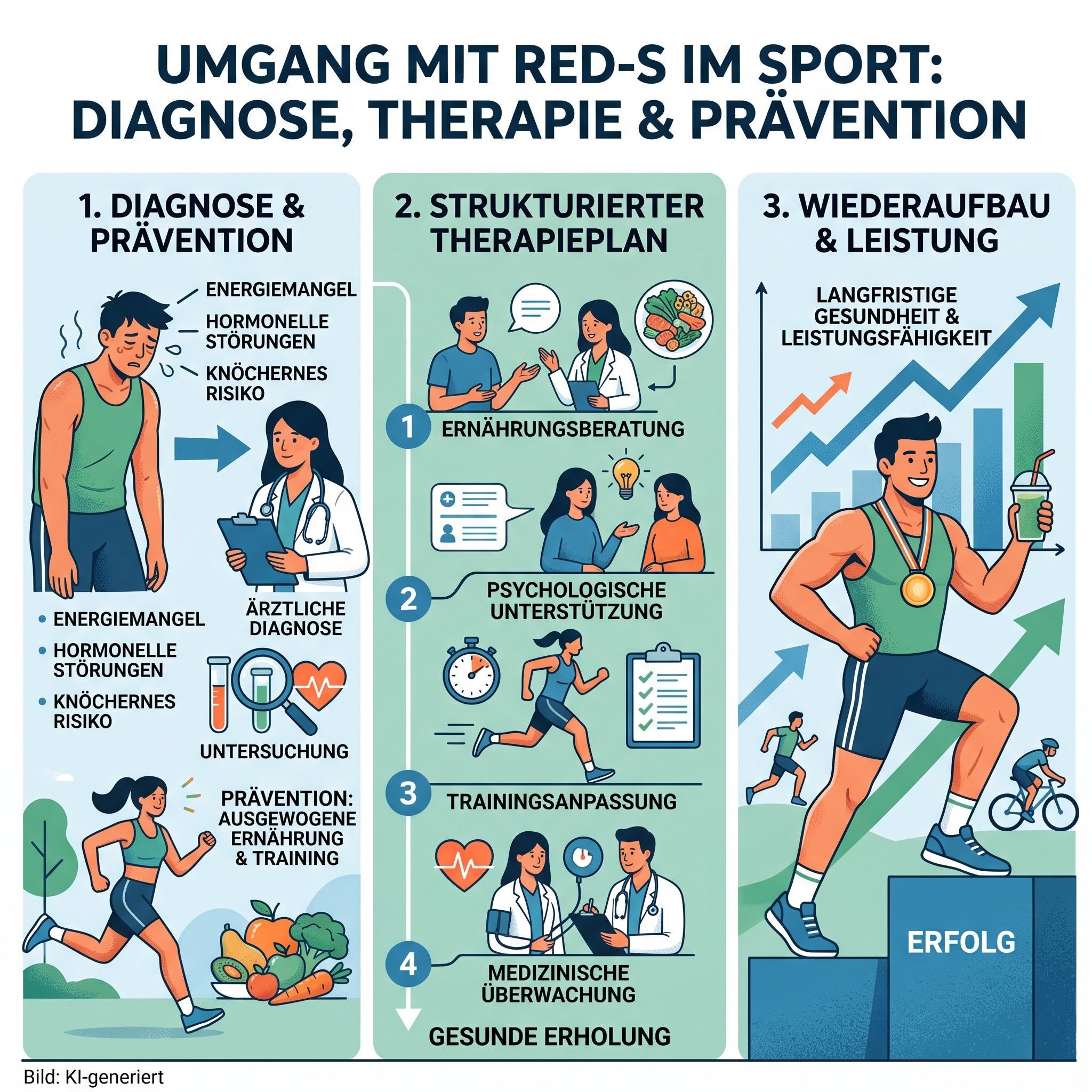
The syndrome of relative energy deficiency in sports (RED-S) requires not only a clear diagnosis but, above all, a well-structured therapy and rehabilitation plan. Prevention is just as important a...
Ab 60 Minuten zählt jede Kalorie - besonders bei Hitze
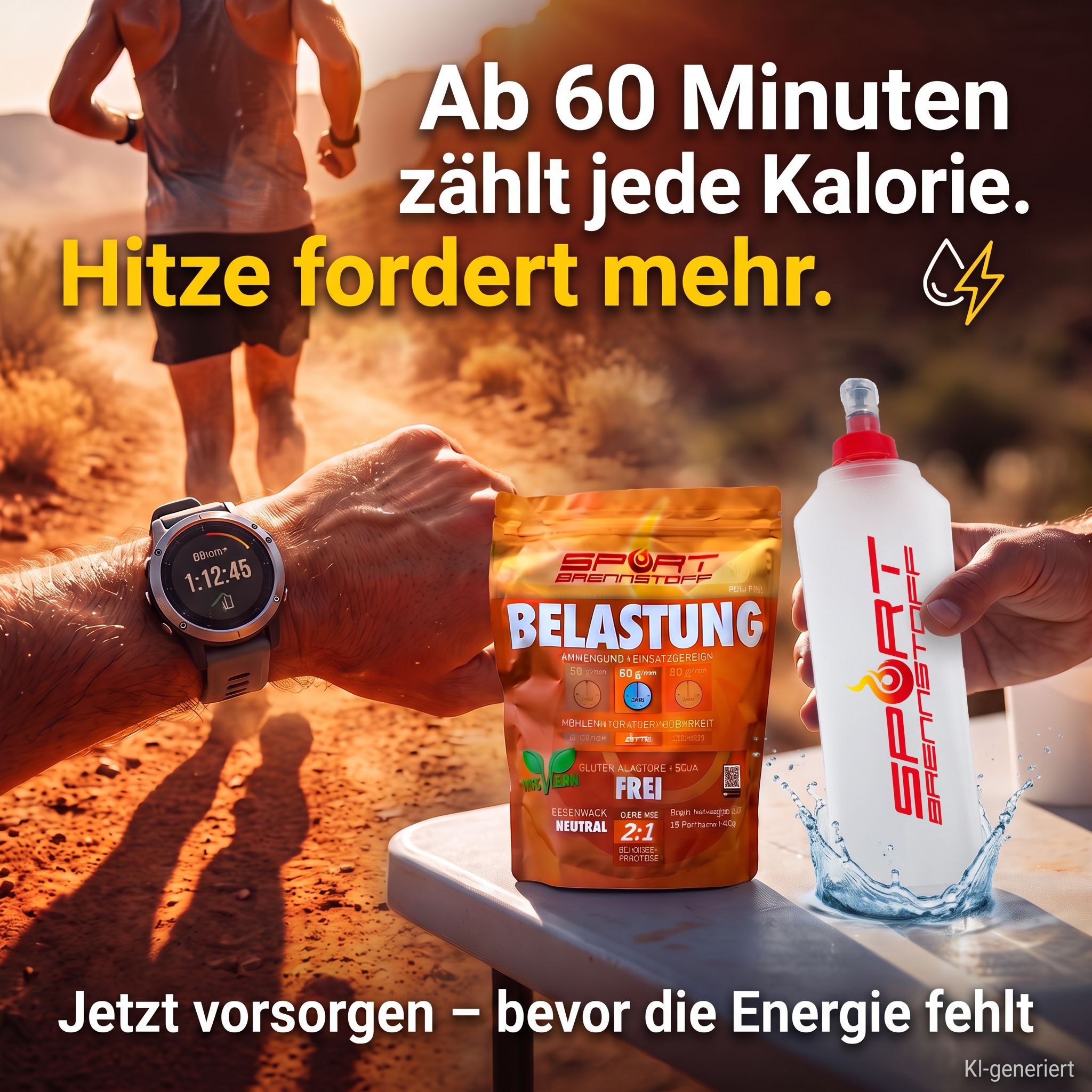
Ab 60 Minuten zählt jede Kalorie. Hitze fordert mehr. Die Uhr läuft. Nach etwa einer Stunde Belastung beginnt für deinen Körper eine neue Phase – und bei Temperaturen über 30 Grad verschärft sich d...
Mehr Energie, weniger Magenprobleme: Die richtige Kohlenhydratversorgung im Wettkampf
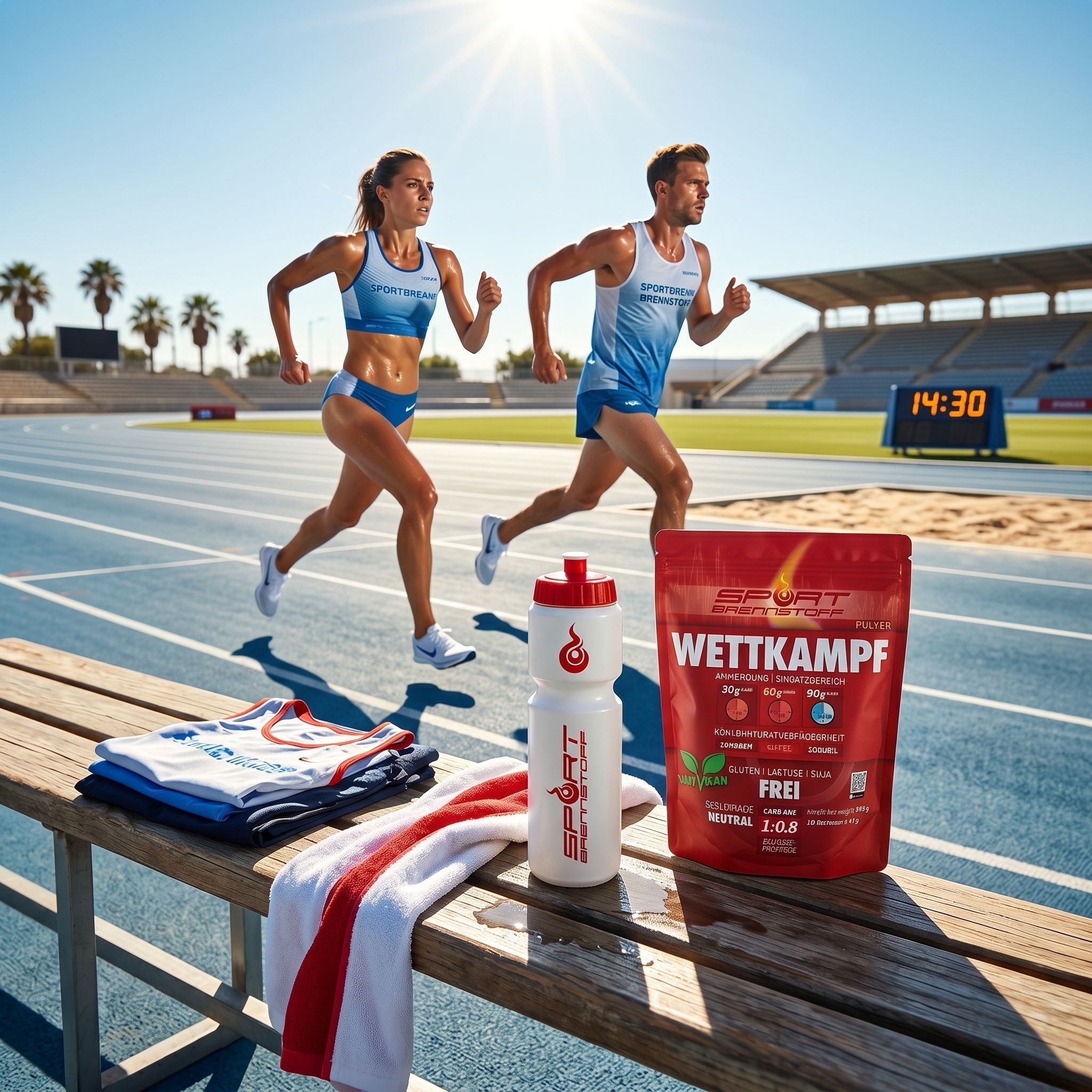
Warum ein Sportgetränk mit einem Glukose-Fruktose-Verhältnis von 1:0,8 dein Renntempo schützt – und warum du auf dem Rad bis zu 120 g und beim Laufen bis zu 80 g Kohlenhydrate pro Stunde fahren sol...
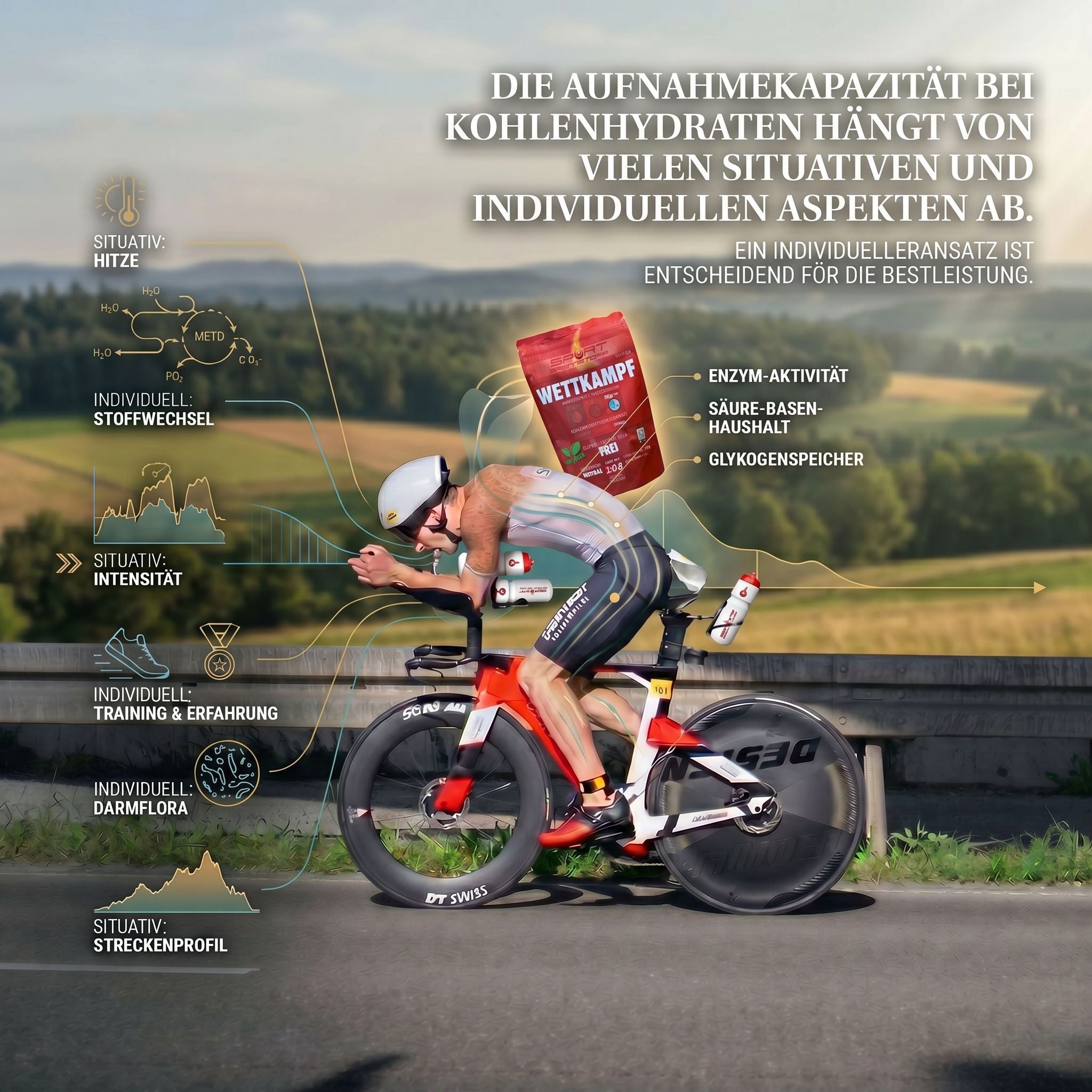
Warum Cedric 330g Kohlenhydrate/h verträgt — und du vielleicht (noch) nicht.
Cedric Osterholt hat beim Ironman 70.3 Kraichgau gewonnen. Mit 330g Kohlenhydraten in 2 Stunden und 8 Minuten. Beschwerdefrei. Das ist beeindruckend. Aber es wäre ein Fehler, das einfach zu kopiere...

Warum schmeckt alles anders, wenn du wirklich hart trainierst?
Die Wissenschaft hinter deiner Geschmackswahrnehmung unter Belastung – und was das für deine Ernährung bedeutet. Du kennst das Gefühl: Mitten im harten Intervalltraining greifst du zum Gel oder zu...

Get fit for spring: Your guide to optimal endurance training
The days are getting longer, the temperatures are rising – perfect conditions to lace up your running shoes or hop back on your bike. But for endurance athletes in particular, the start of the seas...

Nutrition myth debunked: Why athletes underestimate their carbs
A recent study published in the European Journal of Sport Science (DOI: 10.1002/ejsc.70055) involving 60 endurance athletes – including 38 marathon runners and 22 cyclists – reveals that many plan ...

Tips for athletes to avoid colds
Flu season has begun, and for athletes, it's especially important to strengthen their immune system to stay healthy and perform at their best. During the colder months, the immune system is often w...
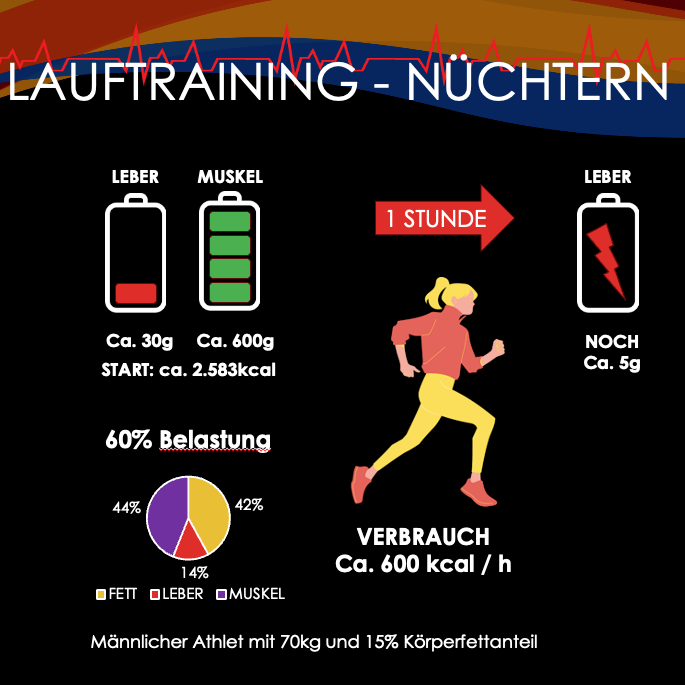
Fasted training: Risks of training longer than 45 minutes
Many endurance athletes swear by training on an empty stomach – especially in the morning before breakfast. The goal is often to promote fat burning or boost metabolism. However, after about 45 min...
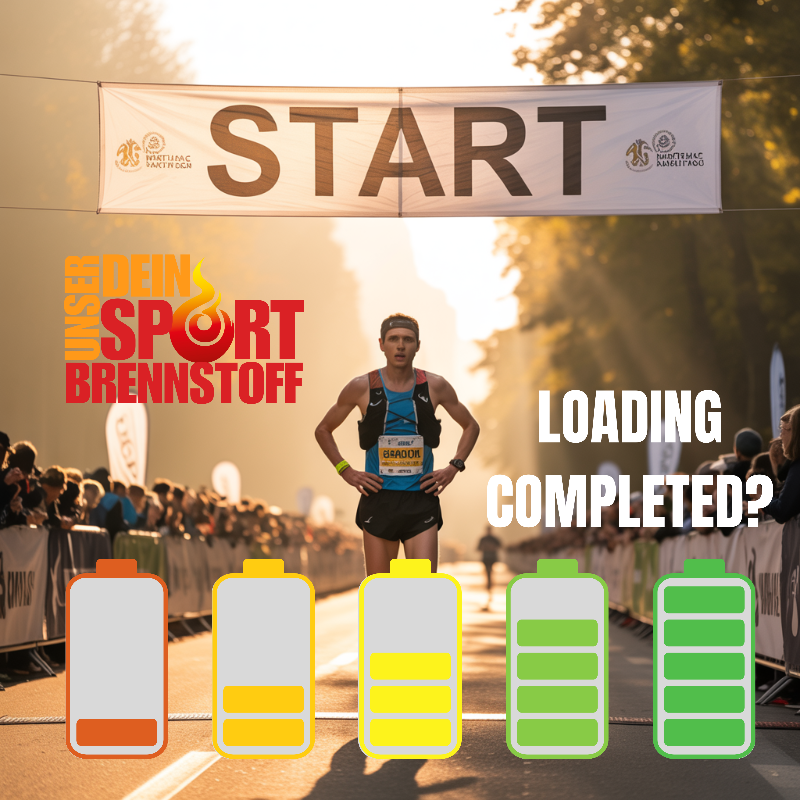
Quickly replenish glycogen stores: Tips for athletes
For endurance athletes, optimally replenishing glycogen stores before and after a competition is crucial. But how quickly can glycogen reserves in muscles and liver actually be replenished? This qu...

The future of gut-brain axis research in sports
Research into the gut-brain axis has made enormous strides in recent years and shows how crucial gut health is for athletes – from nutrient absorption and the immune system to mental performance. N...

Gut health and nutrition – athletic performance
For many athletes, allergies, food intolerances, and intestinal problems are an often underestimated problem that can impair performance and recovery. The gut plays a key role: it influences not on...
Press releases

Plan your meals consciously
Before exercise, you should be very conscious about your nutrition well in advance.
Hard sessions/competitions: no heavy food 3 hours before the exercise. Consume liquid carbohydrates in small portions. The further before the start, the more liquid you should consume.
Light units: You can work on light food until you reach the point of exertion. Nevertheless, you should be careful and provide yourself with good nutrition.
Avoid fiber 3 hours before the session.
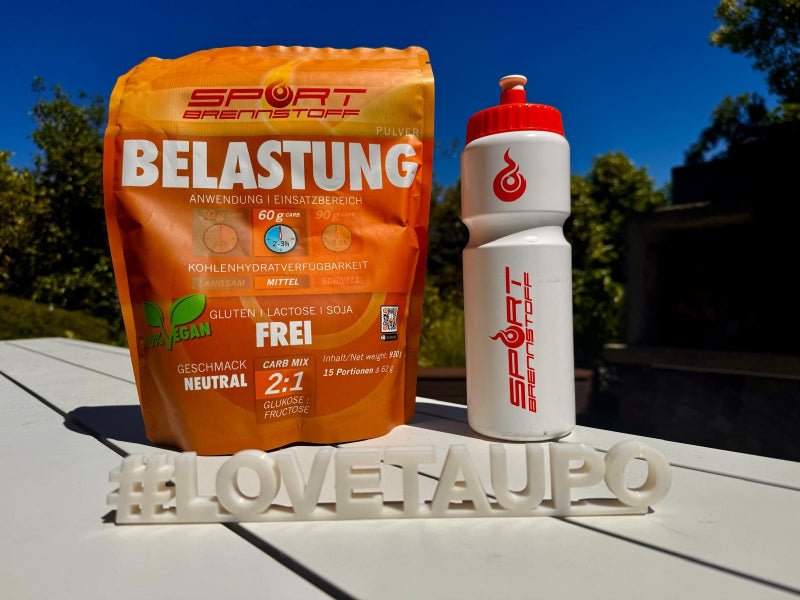
Now it depends.
Basic training: Drink 30g of slow carbohydrates with 500-750ml in one hour. Avoid insulin.
Stress training: Drink 60g of carbohydrates with 500-750ml in one hour.
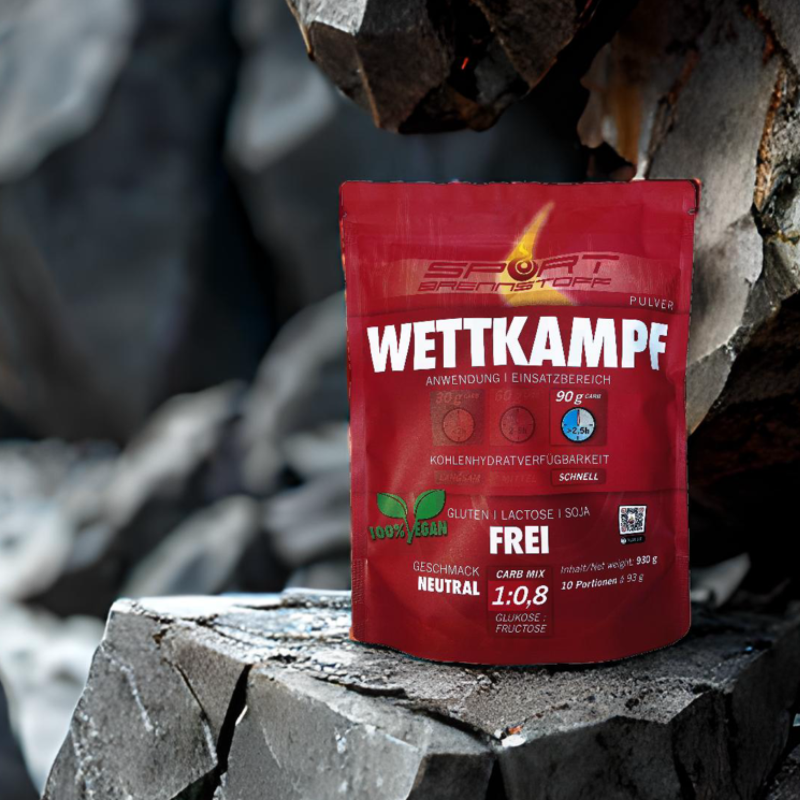
Competition or competition-oriented exercise: drink 80g to 90g of carbohydrates with 500-750ml within one hour.
Load/competition
Now it depends on the planned unit. You may also need to follow the trainer's instructions.
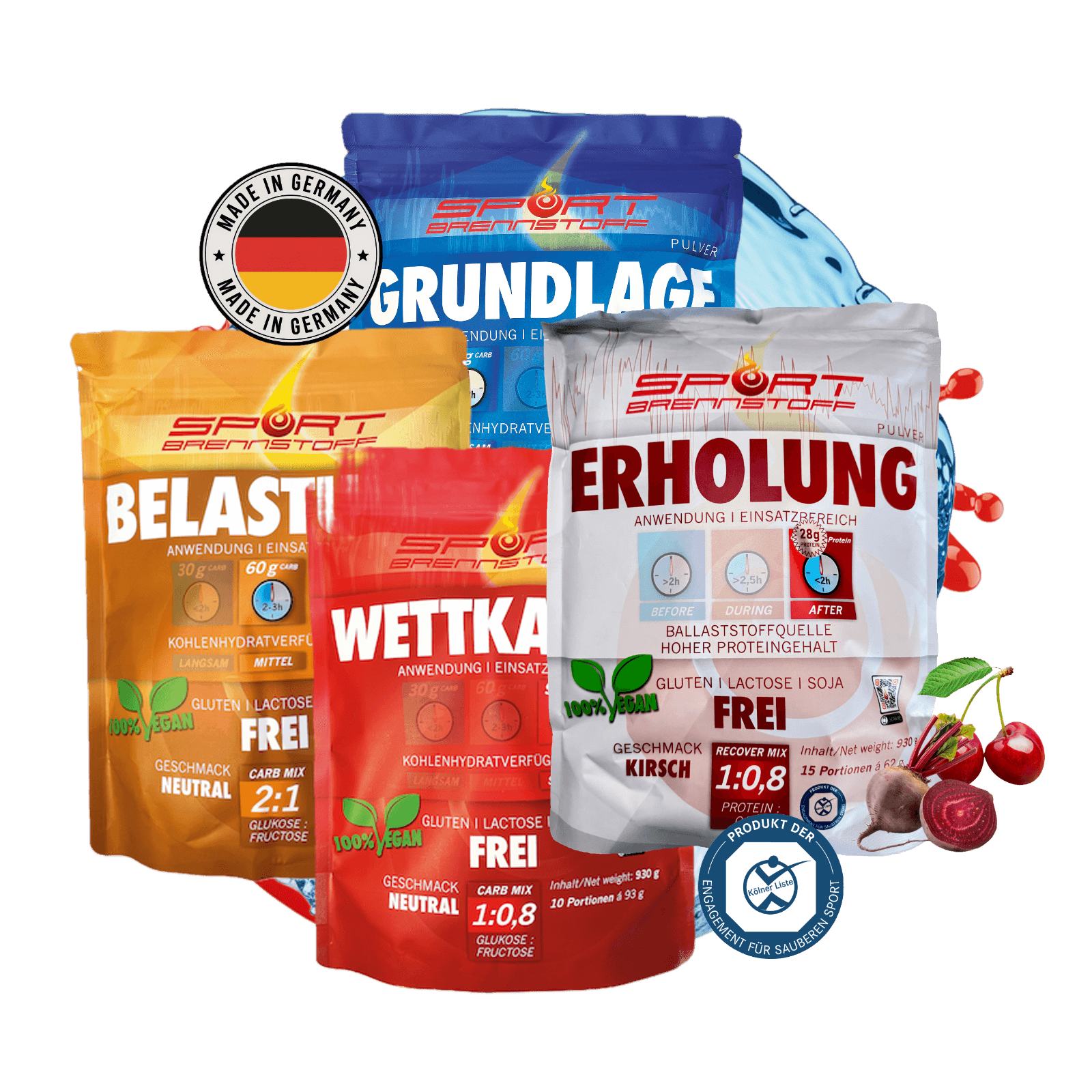
Basic training: Drink 30g of slow carbohydrates with 500-750ml per hour. Ideal: GRUNDLAGE
Stress training: Drink 60g - 80g of carbohydrates with 500-750ml per hour. Ideal: BELASTUNG
Competition or competition-oriented training: Drink 90g - 120g of fast carbohydrates with 500-750ml per hour. Ideal: WETTKAMPF

REST is important
It is essential to provide the correct care immediately. This also applies to basic units!
Basic units: Use approximately 20g of protein and at least 20g of carbohydrates immediately after exercise with a source of potassium and a source of sodium.
Harder/longer units: Consume approx. 40g of protein and at least 40g of carbohydrates immediately after exercise with a source of potassium and a source of sodium.
Ideal: ERHOLUNG
Healthy and varied
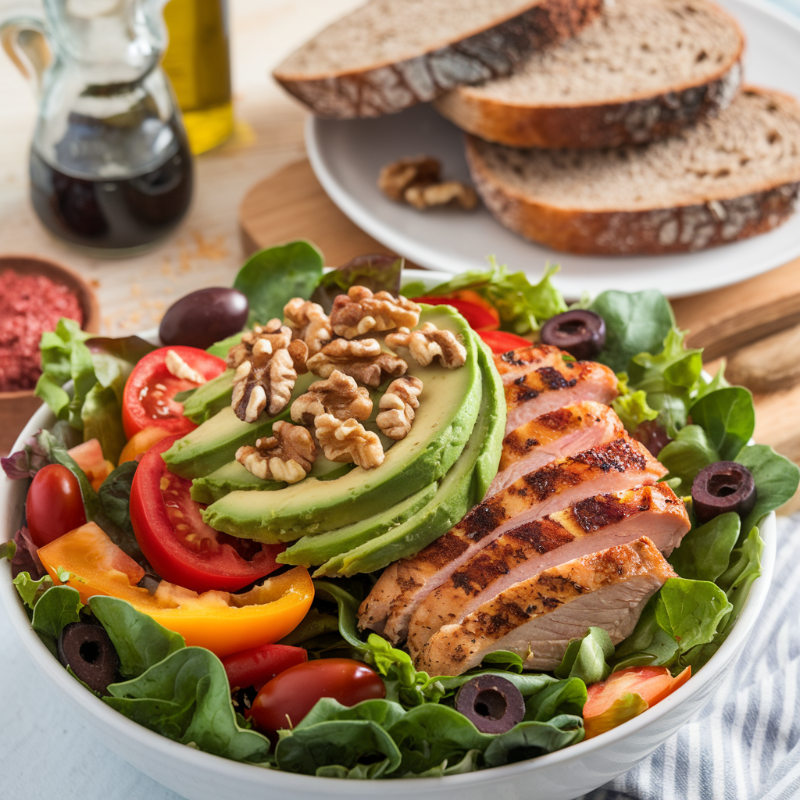
Now it's all about a healthy, balanced and varied diet. Make sure you get the right distribution of macro and micronutrients.
Carbohydrates: 60%
Proteins: 20%
Fats: 20%
Vitamins: Vitamin C, B12
Minerals: magnesium, potassium, sodium
Fiber: about 30g per day
Let customers speak for us