



By SportBrennstoff | December 5, 2025
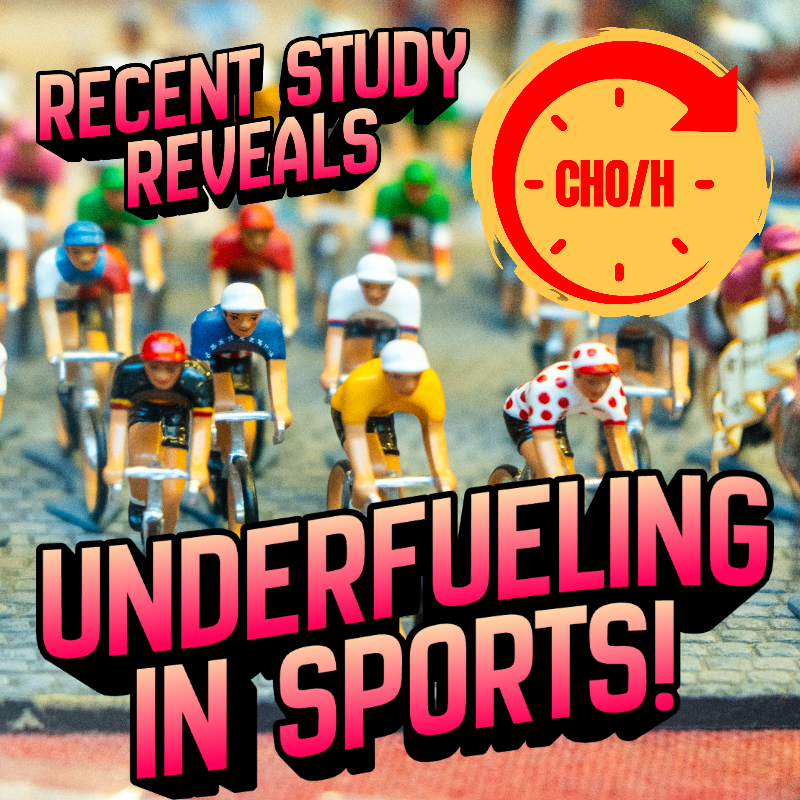
A recent study published in the European Journal of Sport Science (DOI: 10.1002/ejsc.70055) involving 60 endurance athletes – including 38 marathon runners and 22 cyclists – reveals that many plan perfect carbohydrate strategies but consume significantly fewer carbohydrates (carbohydrates) during races than anticipated. In fact, the athletes consumed only 31.7 g of carbohydrates per hour – well below the recommended 60–90 g/h for optimal performance.
The key findings
Planned vs. actual intake: Athletes planned an average intake of 38 g/h, but consumed less (marathon runners: 21.7 g/h; cyclists: 49.1 g/h). The reason? Overestimating their reliance on planned intake and remaining consumption of gels/drinks.
Psychological factors play a role: Better sleep and lower competition anxiety correlated with higher actual carbohydrate intake (R²=0.41). Gastrointestinal discomfort and anxiety slow down the stomach.
Differences by sport: Cyclists planned and consumed more carbohydrates, while marathon runners lagged behind – often due to higher anxiety or GI problems.
Only a few met the guidelines, indicating significant potential for optimization.
Practical tips for race day
Measure instead of estimating: Weigh products before/after the race or accurately track grams per hour with apps.
Train GI tolerance: Practice high doses of carbohydrates (e.g. 90 g/h) in training, combining glucose and fructose.
Mental prep: Prioritize sleep and reduce anxiety through visualization – this increases absorption.
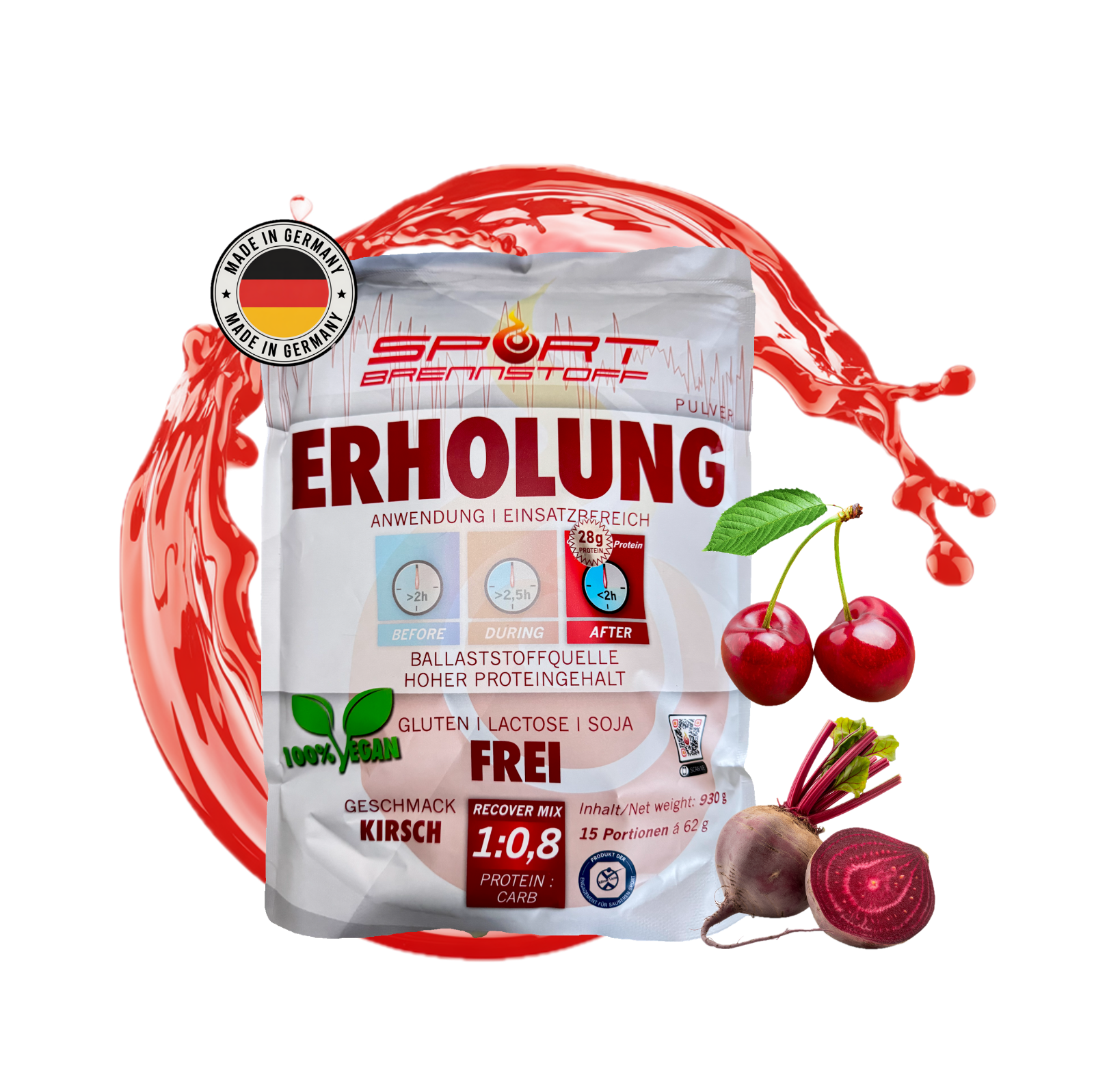
Product selection: Choose reliable gels/drinks like SportBrennstoff that are precisely dosed and gentle on the stomach.
Why this is crucial for you
A carbohydrate deficiency leads to earlier "hitting the wall." With SportBrennstoff products – optimized for real races – you close the gap: high tolerability, precise dosage, and proven formulas for marathons, triathlons, or long rides. Start smarter, finish stronger.
Classification:
It's not very surprising that cyclists tend to plan to consume more carbohydrates than marathon runners. But something is interesting:
- Cyclists are clearly planning to consume significantly fewer calories per hour (kH/h) in competitions than would be possible.
- The same applies to marathon runners, although a limit of between 80g and 90g of carbohydrates per hour generally applies here.
- However, it is interesting that both groups would only be willing/able to take in approximately 50% of the planned quantities in an emergency.
Important: Consciously train your carbohydrate intake well in advance of the competition. Make sure you're well-fueled during your training. This is crucial to ensure you're able to fuel yourself properly on race day, just as you normally would.
Are you ready to optimize your fueling strategy? Share your race-day tips in the comments or contact us for personalized advice. 👇
Sources: Lanpir et al. (2025), European Journal of Sport Science
#EnduranceTraining #CarbFueling #Marathon #Triathlon #SportsFuel #RaceNutrition









Leave a comment
All comments are moderated before being published.
This site is protected by hCaptcha and the hCaptcha Privacy Policy and Terms of Service apply.