Fundamentals: What Vegan Sports Nutrition Needs to Deliver on Long Bike Rides
Vegan sports nutrition for long bike rides must ensure one thing above all else: constant energy delivery over several hours without straining the digestive tract. Those who live plant-based and regularly ride long distances face a different challenge than on a leisurely evening ride. Carbohydrate requirements are significantly higher for exercise lasting over two hours, while the stomach reacts more sensitively to fiber and large food quantities at high intensity.
At SportBrennstoff, we focus precisely on this intersection of performance and tolerance. This guide shows you what really matters for vegan energy supply on long bike rides.
Energy Delivery and Carbohydrate Stores
A trained cyclist's glycogen stores last about 90 to 120 minutes depending on intensity. After that, energy must come from intake during the ride, otherwise performance will drop. Plant-based carbohydrates from whole grains, legumes, and fruit provide this energy, but they need the right preparation so that they are available quickly enough.
Gastrointestinal Tolerance at High Intensity
What many guides overlook: At high exercise intensity, blood flow to the digestive tract is reduced. High-fiber foods that are healthy in everyday life then become a problem. A common mistake is relying on high-fiber foods before a competition. Gradually train your stomach to the amount of carbohydrates you need during the race—an effect sports physiologists call "train the gut".
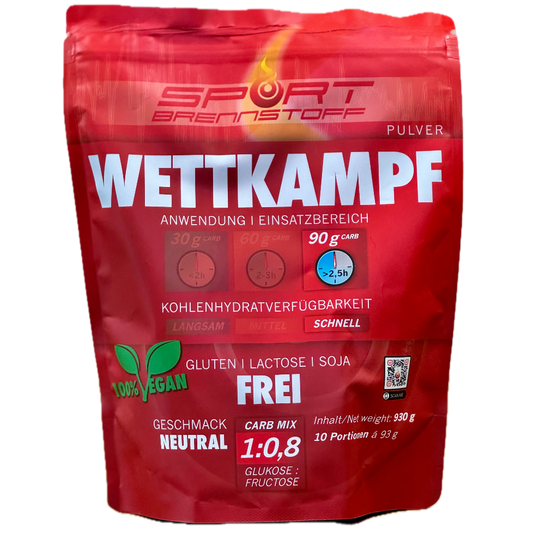
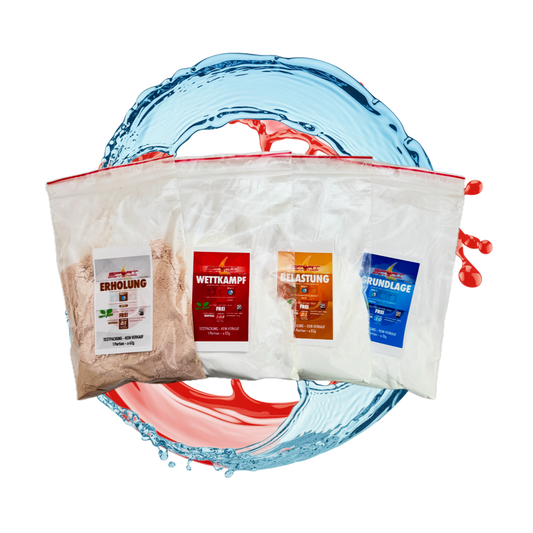
SportBrennstoff WETTKAMPF * 90g Carbs Drink Mix
Important Nutrients: Plant-Based Protein, Iron, B12, and Omega-3
Plant-based protein, iron, vitamin B12, and omega-3 fatty acids are the critical nutrients that vegan endurance athletes must consciously plan. A purely plant-based diet does not automatically cover these micronutrients in sufficient quantities, especially when training volume is high.
Amino Acid Profile and Muscle Building
Individual plant-based protein sources often have an incomplete amino acid profile. If you combine legumes with whole grains, the amino acids complement each other and cover the requirements for recovery and muscle building. For cyclists, protein requirements are higher during intensive training than for recreational athletes.
Micronutrients and Iron Intake
Iron intake is the most delicate point. Plant-based iron is absorbed less efficiently than animal-based iron. Combine iron-rich foods with vitamin C, which improves absorption. Vitamin B12 and omega-3 fatty acids can be covered through fortified products or targeted supplementation.
Nutrition Before, During, and After the Ride
Energy supply on long distances follows a clear schedule: fill the stores before the ride, replenish constantly during the ride, and initiate recovery afterward. Those who master this rhythm hardly notice a difference between plant-based and conventional nutrition. The crucial difference lies not in the what, but in the how: plant-based food is high in fiber and thus healthy in everyday life, but on the bike at high intensity, that is exactly what becomes the problem.
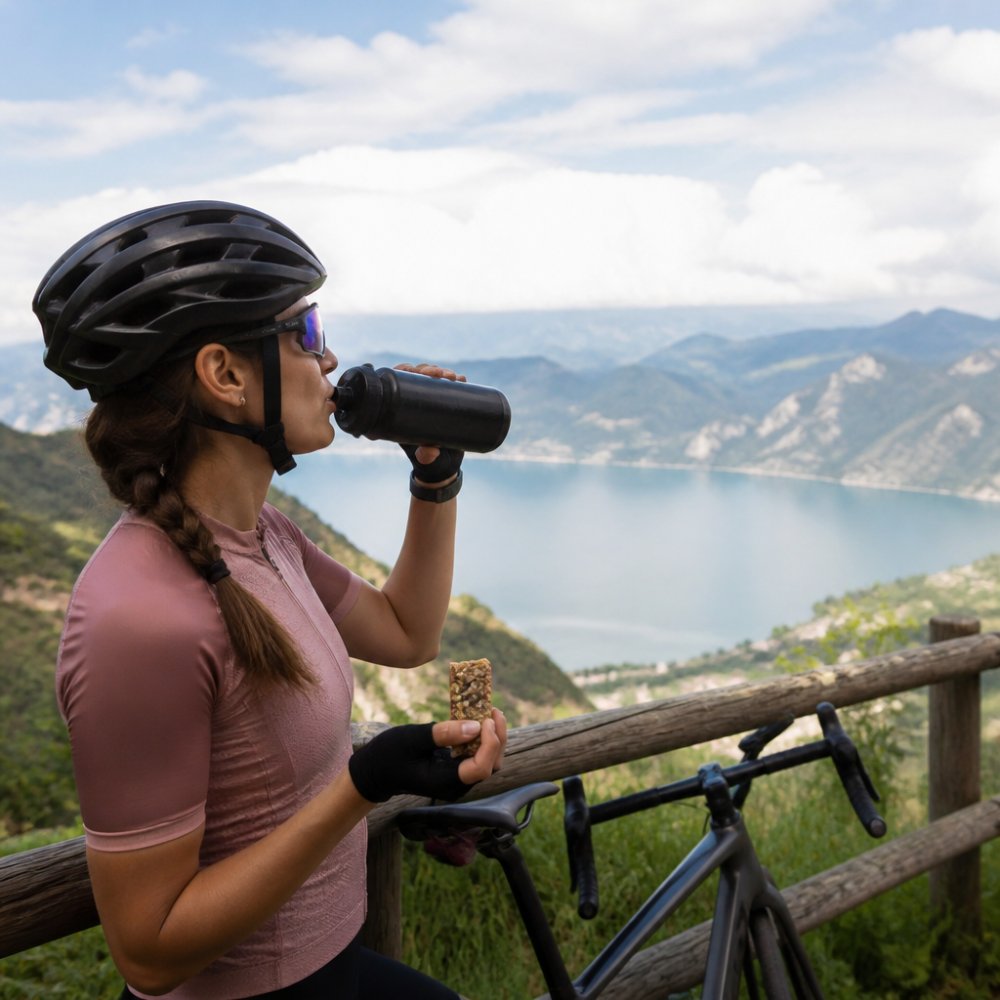
A cyclist on a long road tour stopping at a scenic viewpoint, drinking from a water bottle and eating a homemade energy bar, with a bike leaning against a wooden fence in the background
The Three Phases at a Glance
Before the ride (2 to 3 hours): A carbohydrate-focused meal with moderate fiber content, such as oatmeal with banana and maple syrup or rice with steamed vegetables. The goal is 1 to 2 g of carbohydrates per kilogram of body weight. Too much raw food, legumes, or whole grains with a high fiber content shortly before departure is counterproductive because they occupy the stomach for hours.
During the ride: 60 to 90 g of carbohydrates per hour is the guideline for rides lasting over two hours. At very high intensity and with corresponding training, up to 120 g per hour is possible, but only with a coordinated glucose-fructose ratio. Small, regular portions every 20 to 30 minutes are better tolerated than large quantities at once.
After the ride: Within 30 to 60 minutes, a combination of 1 to 1.2 g of carbohydrates and 0.3 g of protein per kilogram of body weight.
Low-Fiber Strategy: The Underrated Lever at High Intensity
At exercise intensities over 70 percent of the maximum heart rate, blood flow to the digestive tract is reduced by up to 80 percent. Fiber, which nourishes the gut flora in everyday life, then lies like ballast in the stomach. The result is a feeling of fullness, cramps, or nausea, often exactly in the second half of a long tour.
The day before: From the evening before a long or intense tour, refrain from raw salads, legumes, cabbage, and whole grains with a high fiber content. Instead, choose white rice, semolina pasta, peeled rice, or potatoes without skin.
On the go: Rely on white bread rolls, rice cakes, bananas (ripe, not green), dates, rice pudding, or liquid carbohydrates. These provide quickly available energy without fiber load.
After the ride: Gradually increase fiber again, for example through cooked vegetables and well-tolerated legumes such as red lentils.
Energy Supply on Long Distances
For long bike rides: carbohydrates in small, regular portions instead of large meals. Isotonic drinks with a coordinated ratio of glucose to fructose enable higher absorption because both sugars enter the bloodstream through different transport pathways. A ratio around 1:0.8 has proven itself in practice to keep blood sugar levels stable. With purely plant-based sources such as dates or maple syrup, glucose and fructose dominate in a different ratio, which is why a combination of liquid nutrition and specifically formulated bars is ideal for high intensity.
Hydration and Electrolytes
The electrolyte balance often decides the second half of a long tour. Sodium is the most important electrolyte lost through sweat. Pure water is not enough for more than an hour of exercise. Pay attention to drinks that provide sodium in sufficient concentrations so that the fluid balance remains stable. As a guideline, 300 to 600 mg of sodium per liter of drink applies, with correspondingly more in heat and heavy sweating.
Pro TipPlan the low-fiber days firmly into your training plan, not just before competitions. Those who regularly accustom their stomach to low-fiber food under exercise can fall back on a proven pattern on crucial days.
Vegan Nutrition Plans for Endurance Athletes
Vegan nutrition plans for endurance athletes are based on the exercise phases, not on rigid rules. A base day needs different nutrient densities than an intensive interval day. Build your plan around three pillars: nutrient-dense base, targeted carbohydrates before and during exercise, protein-rich recovery afterward.
Vegan recovery nutrition after cycling training relies on the combination of plant-based protein and carbohydrates within the first window after exercise. During this phase, the body replenishes its glycogen stores and starts muscle repair.
Vegan Sports Nutrition Comparison: What Really Matters
In a vegan sports nutrition comparison, three criteria count more than the price: tolerance, tested purity, and coordination with exercise intensity. A product that works during a leisurely ride may cause stomach problems at high intensity. Those who cook and mix themselves retain full control over ingredients, sweetness, and fiber content—an advantage that no ready-made product offers.
DIY Sports Nutrition: Homemade Bars and Gels
Homemade bars and gels give you full control over ingredients and sweetness. The advantage lies in adapting them to your stomach. The disadvantage: The dosage is less precise than with ready-made products, and handling them on the go is more cumbersome. For long tours, a mixture of homemade snacks and industrially manufactured sports nutrition is worth it.
Rice bars (approx. 40 g carbohydrates per piece):
200 g cooked sticky rice (cooled)
2 tbsp maple syrup
1 pinch salt
optional: 1 tbsp peanut butter or date paste
Date gel (approx. 25 g carbohydrates per serving):
100 g soft dates (pitted)
100 ml water
1 pinch salt
1 tsp lemon juice
Energy Balls (approx. 15 g carbohydrates per piece):
100 g oatmeal (finely ground)
80 g date paste
2 tbsp cocoa powder
1 pinch salt
some water to bind
What matters with homemade sports nutrition
Low in fiber during exercise: Whole grain flour, nuts and seeds provide fiber that can cause issues at high intensity. Use white rice, oat or spelt flour for the riding phase.
Don't forget sodium: A pinch of salt per serving is not a minor detail, but compensates for sweat loss. Even more in hot weather.
Test the consistency: Gels and bars must be easy to chew or swallow during exercise. Dry bars can quickly become a challenge on the bike.
Hygiene: Homemade products without preservatives are sensitive. For rides over four hours, plan refrigerated transport options or opt for more shelf-stable options like date gel.
Practice dosing: Unlike ready-made products, you need to know the carbohydrate content per serving yourself. Weigh the ingredients the first time, then you will have reliable guidelines.
Combining ready-made products and homemade ones
For long rides, the mix is crucial. Homemade bars and gels provide familiarity and control, ready-made products provide precision and shelf life. A proven approach: homemade snacks in the first half of the ride, liquid or industrially produced carbohydrates in the second half, when the stomach becomes more sensitive. Those who react sensitively to certain sweeteners or flavors often do better with homemade food.
CautionHomemade sports nutrition without preservatives spoils quickly in the heat. On hot days, opt for date gel or shelf-stable bars and only plan the homemade versions for the first few hours.
Myths about vegan performance losses and seasonal adaptation
The most persistent myth is that a vegan diet automatically leads to performance losses. The evidence does not support this. What matters is not whether the protein is plant-based or animal-based, but whether the quantity, timing, and amino acid profile are correct.
CautionA common mistake is keeping carbohydrate intake too low during training and suddenly going to the maximum in competition. The digestive tract reacts with cramps. Increase the amount gradually over several weeks.
Frequently Asked Questions
What to eat on a long bike ride?
On long bike rides, you mainly need quickly available carbohydrates. Sports drinks with 60 to 90 g of carbohydrates per hour have proven effective, along with bananas, dates, or homemade bars. It is important to test the intake during training. SportBrennstoff WETTKAMPF provides 90 g of carbs per serving with a 1:0.8 glucose-fructose ratio and is Kölner Liste® certified.
Is a vegan diet suitable for athletes?
Yes, vegan sports nutrition is suitable for endurance athletes if it is well planned. What matters is sufficient plant-based protein with a complete amino acid profile, enough iron from legumes and whole grain products, as well as a reliable supply of vitamin B12 through fortified products or supplements. Studies show that vegan athletes can achieve the same performance with sufficient nutrient density.
How do I cover my protein needs as a vegan cyclist?
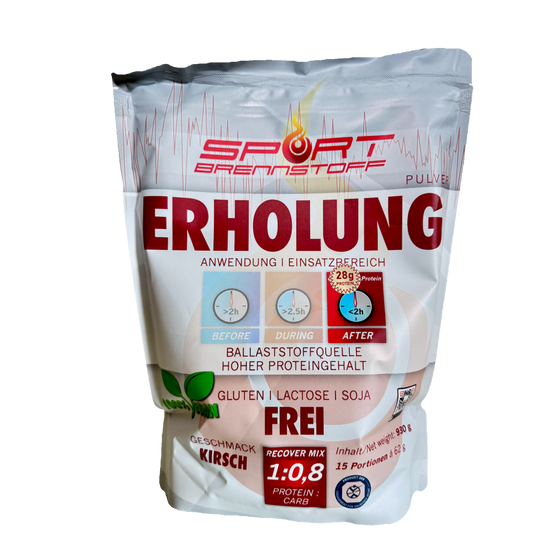
Vegan cyclists best cover their protein needs through a combination of legumes, tofu, tempeh, seitan, and whole grain products. For recovery after bike training, plant-based protein sources with a good amino acid profile, such as pea or rice protein, are suitable. SportBrennstoff ERHOLUNG is a vegan recovery shake for quick recovery.
Which vegan snacks are best for on the go?
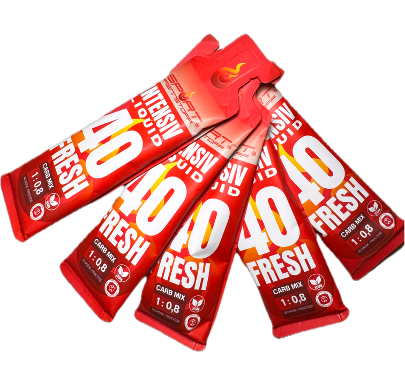
For on the go, dates, bananas, homemade oatmeal bars, and liquid energy sources like SportBrennstoff INTENSIV are suitable. Race Liquid provides 40 g of ultra-fast carbohydrates and 400 mg of sodium per serving, without chewing. This relieves the gastrointestinal tract during high exercise intensity and keeps energy supply constant.
Hat einen angenehmen neutralen Geschmack und geht direkt in die Beine! Nutze es in fast jedem Training für meinen Ironman 👍
Hallo Melanie, vielen Dank für deine tolle Rückmeldung! Schön, dass dir der neutrale Geschmack gefällt und dich unser Sportgetränk bei deinen Ironman-Trainings unterstützt. Wir wünschen dir weiterhin viel Erfolg und starke Beine! :-)
Das Wettkampf-Sportgetränk hat meine Erwartungen voll erfüllt
Das Wettkampf-Sportgetränk hat meine Erwartungen voll erfüllt. Über die gesamte Zeit des Radfahrens (Langdistanz) konnte ich das Getränk zuführen und kam ohne spürbares Energiedefizit in T2 an.
Angenehmer, nicht aufdringlicher oder vordergründiger Geschmack.
Hallo Jens, vielen Dank für deine tolle Rückmeldung! Schön, dass dich das Sportgetränk auf deiner Langdistanz zuverlässig versorgt hat und dir der angenehme, dezente Geschmack gefällt. Wir wünschen dir weiterhin viel Erfolg bei deinen Wettkämpfen! Ingolf
Mit diesen beiden Produkten kommt man wirklich in der Aufbauphase sehr gut klar
Mit diesen beiden Produkten kommt man wirklich in der Aufbauphase sehr gut klar.
Hallo Daniel, danke für dein tolles Feedback! Es freut uns sehr, dass das Basispaket dir in der Aufbauphase so gut hilft. Viel Erfolg weiterhin beim Training!
Tatsächlich ist das 6 Tage in der Woche beim Frühstück dabei
Tatsächlich ist das 6 Tage in der Woche beim Frühstück dabei. Innerhalb von einer halben Stunde ist meine Energie geladen und kann direkt ins Training einsteigen. Noch nie Probleme beide Verdauung
Hallo Daniel, vielen Dank für deine tolle Rückmeldung! Es freut uns sehr, dass das Sportgetränk dich so zuverlässig beim Frühstück und beim Start ins Training unterstützt – und du es gut verträgst. Weiterhin viel Freude beim Training! Ingolf
Super Preis Leistungsverhältnis, wir setzen es zum Muskelaufbau und zur Regeneration ein . Wir sind seit vier Monaten sehr erfolgreich mit diesem Produkten.
Hallo Daniel, vielen Dank für deine positive Rückmeldung! Es freut uns sehr zu hören, dass du mit unserem Recovery Shake so erfolgreich bist. Viel Erfolg weiterhin beim Muskelaufbau und der Regeneration! Dein Team von Sportbrennstoff