Vegan diet recovery works through strategically combined plant-based foods that provide protein for muscle repair, carbohydrates to replenish glycogen stores, and micronutrients for biological recovery processes. With conscious nutrient planning and proper timing, vegan athletes achieve the same quality of recovery as omnivorous athletes.
After intense training, you need 20-30 grams of protein and a carbohydrate-to-protein ratio of about 3:1 to 4:1.
Combine different plant-based protein sources such as lentils with rice or chickpeas with quinoa for complete amino acid profiles.
Endurance athletes need 1.2-1.6 grams of protein per kilogram of body weight daily, spread over several meals.
Supplement vitamin B12 and pay attention to the intake of iron, zinc, and omega-3 fatty acids through targeted food combinations.
Drink 400-800 milliliters per hour of training and sleep 7-9 hours per night for optimal recovery.
Vegan diet and athletic performance: The scientific background
Recovery on a vegan diet can be significantly improved after intense training sessions because plant-based foods specifically provide the nutrients your body needs to recover.
The foundation lies in macronutrients. Protein repairs muscle damage. Carbohydrates replenish your glycogen stores. Fats support hormonal processes.
Many think that a vegan diet automatically means worse recovery. However, with the right plant-based protein sources and a well-thought-out timing strategy, vegan athletes achieve the same quality of recovery.
Vegan diet after sports: Nutrients for recovery
After training, a time window of about 30-60 minutes opens during which your body absorbs nutrients particularly efficiently. During this recovery phase, you need two things above all: protein and carbohydrates.
Muscle protein synthesis is in full swing after exercise. Without sufficient amino acids, your body cannot repair the damage caused during training, which leads to poorer recovery and, in the long term, performance stagnation.
Protein and muscle building
Plant-based protein sources often have an incomplete amino acid profile. This means: They do not contain all nine essential amino acids in sufficient quantities. The solution is simple: Combine different sources.
Lentils plus rice. Chickpeas plus quinoa. Nuts plus seeds. These combinations result in a complete amino acid profile.
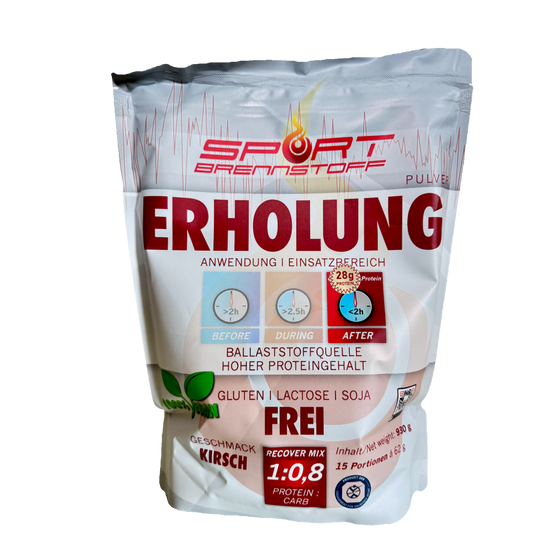
A recovery shake with plant-based protein sources - such as the SportBrennstoff ERHOLUNG with pea and rice protein isolates - delivers this amount quickly and gently on the stomach.
Your muscles store carbohydrates as glycogen and use them during training. Without replenishment, the stores need 24-48 hours to refill.
This is why carbohydrates are so important immediately after training. They start the rebuilding process immediately.
Practically, this means: After a 90-minute bike ride, you need about 60-90 grams of carbohydrates plus 20-30 grams of protein. A recovery shake with carbohydrates and protein efficiently combines both nutrients.
Pro tipTiming is more important than perfection. A shake 30 minutes after training is better than a perfect meal two hours later.
Vegan protein requirements in endurance sports
Endurance athletes need less protein than strength athletes. The rule of thumb: 1.2-1.6 grams per kilogram of body weight per day (pubmed.ncbi.nlm.nih.gov).
For a 70-kilogram marathon runner, that is 84-112 grams daily.
Vegan endurance athletes have to plan more consciously because plant-based protein sources require larger quantities or better combinations.
A practical strategy:
Breakfast: Oatmeal with nuts and seeds (10-15g protein)
Lunch: Lentil soup with whole-grain bread (15-20g protein)
Snack: Hummus with vegetables and crackers (8-10g protein)
This adds up to about 60-75 grams daily. With the targeted use of recovery products like SportBrennstoff ERHOLUNG, you close the gap.
Important insightPlant protein requires planning, but with a systematic approach, you reliably meet your requirements.
Carbohydrates after endurance training: Energy supply and recovery
Carbohydrates are fuel for endurance athletes and building material for recovery after training; your glycogen stores are your battery.
An intense session empties this battery.
After endurance training, carbohydrates should be quickly available.
A recovery shake with quickly available carbohydrates (such as maltodextrin or isomaltulose) is ideal here.
Energy supply is not complicated if you know the basic rule: Carbohydrates plus protein after training. Period.
Vegan foods for recovery: Practical examples
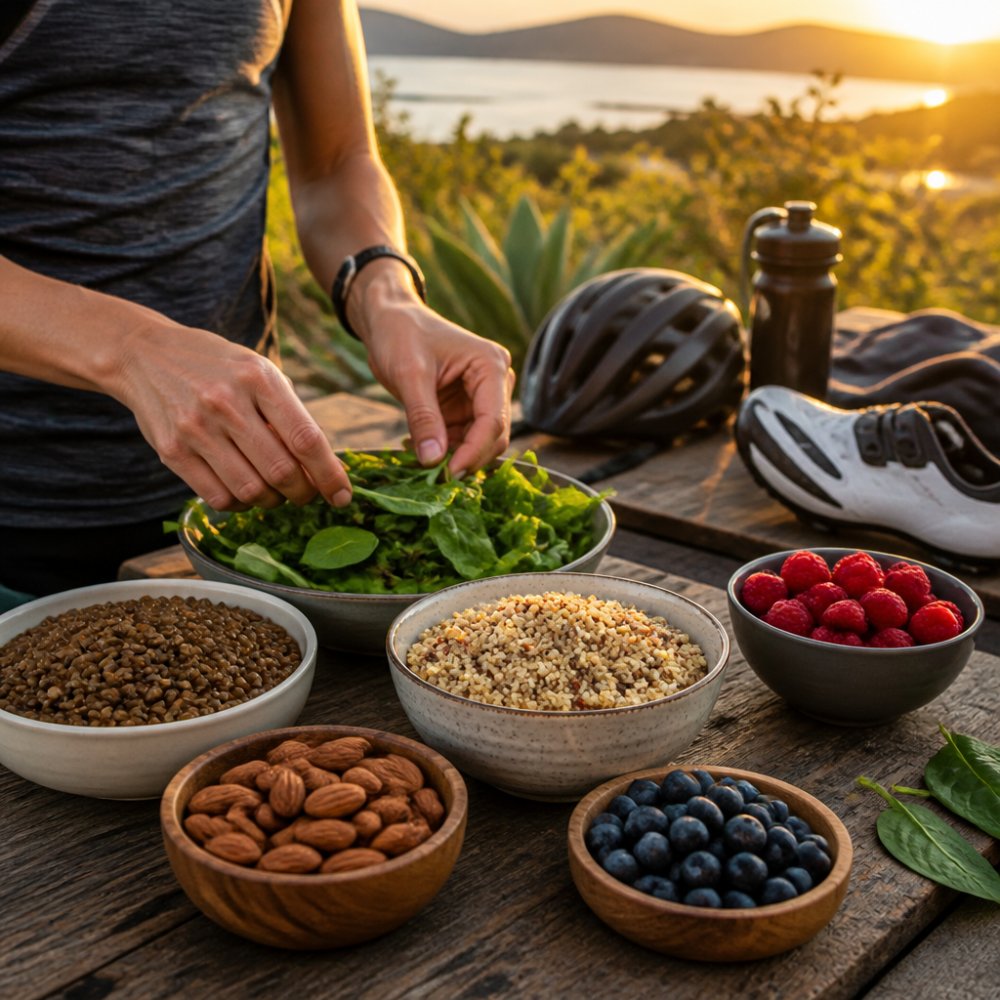
Selection of fresh vegan foods on a wooden table: lentils, quinoa, nuts, berries, green leafy vegetables with sports equipment in the background, natural light
Not always is a shake the best solution. Sometimes you need real meals. Here are concrete examples of vegan recovery meals:
After light training sessions (up to 60 minutes):
Smoothie bowl with oatmeal, berries, nuts, and coconut milk
Tofu stir-fry with brown rice and broccoli
Lentil soup with whole-grain bread
After intense sessions (60-120 minutes):
Recovery shake with plant protein and carbohydrates
Quinoa salad with chickpeas, vegetables, and tahini dressing
Pasta with tomato sauce and lentil bolognese
After very long endurance sessions (over 120 minutes):
Generous recovery shake with additional carbohydrates
Rice with tofu and vegetables
Potatoes with hummus and salad
The key is consistency. Not every meal has to be perfect. But over the course of the week, your vegan diet should provide these nutrients:
At least 1.2g protein per kilogram of body weight daily
Carbohydrates proportional to your training load
Diverse plant sources for complete amino acid profiles
AttentionA common mistake: eating only fruit after training. This provides carbohydrates, but no protein. Your body cannot repair the muscle damage.
Micronutrients and their role in recovery
Micronutrients are the key to real recovery: Vitamins and minerals control the biological processes for restoration, from energy production to immune function and the control of inflammatory processes.
Vegan athletes have to pay special attention because some micronutrients are rarer or less bioavailable in plant foods, an argument for conscious planning, not against a vegan diet.
Vitamin B12 and vitamin D
Vitamin B12 is practically only found in sufficient quantities in animal products. Vegan people need supplementation. This is not optional, it is necessary. B12 is involved in the formation of red blood cells and energy production in the cells.
Vitamin D is similar. Most people in Germany have low levels in the winter months, vegan or not. Vitamin D supports bone stability, immune function, and muscle contraction.
Iron, zinc, and omega-3 fatty acids: the underestimated building blocks
In addition to B12 and vitamin D, there are three nutrients that are more frequently deficient on a vegan diet and directly affect recovery:
Iron: Plant-based iron (non-heme iron) is absorbed worse than animal iron. Combine iron-rich foods such as lentils, chickpeas, oatmeal, and dark leafy greens with vitamin C sources, a squeeze of lemon or bell pepper with the lentil dish significantly increases absorption. Coffee and tea, on the other hand, inhibit it during meals.
Zinc: Phytates in whole-grain products and legumes bind zinc. Soaking, sprouting, and fermenting legumes reduces the phytate content and improves absorption.
Omega-3 fatty acids: Plant sources are flaxseeds, chia seeds, and walnuts. They provide alpha-linolenic acid (ALA), which the body can only convert to limited extent into the anti-inflammatory forms EPA and DHA. Those who train intensely regularly should consciously plan their intake.
Antioxidants and inflammatory markers
After intense training, micro-injuries occur in your muscles. This is normal and necessary for adaptation. But your body must control this inflammation. Antioxidants help with this: They neutralize reactive oxygen species, which would otherwise increase oxidative stress and slow down recovery.
Good vegan sources:
Berries (blueberries, blackberries, strawberries)
Dark leafy greens (spinach, kale)
Nuts and seeds
Inflammatory markers can be positively influenced by a diet with many plant foods. The studies show predominantly general benefits of a plant-based diet. The effect probably comes from the overall pattern of the diet, lots of fruit, vegetables, legumes, nuts, and not from a single nutrient.
AttentionMore is not better. High-dose antioxidant supplements can even impair training adaptation because oxidative stress is a necessary signal for muscle adaptation. Rely on foods, not pills.
Individual differences and warning signs
Optimal nutrient supply is individual. Factors such as training volume, body weight, digestion, and pre-existing conditions change the requirements. Warning signs that can indicate insufficient supply are persistent fatigue, frequent infections, hair loss, paleness, unusually long recovery times, or a drop in performance despite constant training.
With conscious planning, targeted supplementation of B12 and vitamin D, and a look at iron, zinc, and omega-3 fatty acids, the vegan diet provides all the nutrients you need.
Fluid intake, electrolytes, and sleep: Often overlooked factors
Recovery is not just food: Water, electrolytes, and sleep are often underestimated.
Many athletes drink too little. The rule of thumb: 400-800 milliliters per hour of training, depending on sweat and intensity.
After training, you should replenish about 150% of the fluid loss.
Electrolytes (sodium, potassium, magnesium) are just as important. They regulate fluid balance and muscle contraction.
Sleep is your best recovery strategy.
A practical tip: Do not drink your recovery shake too late in the evening.
Ideal forathletes who want to maximize their recovery without creating complicated meal plans.
Post-Workout Recovery Plan: Taking Concrete Steps
Here is a concrete recovery plan you can implement immediately, with an explanation of why each step makes sense at that time.
Immediately after training (0-15 minutes):
Drink 400-500 milliliters of water with electrolytes. Sodium, potassium, and magnesium regulate fluid balance and muscle contraction.
Eat or drink fast-acting carbohydrates plus protein. A recovery shake is ideal here because it provides fluids, carbohydrates, and protein in one step.
In the next 1-2 hours:
Drink water regularly (about 200-300 milliliters every 15-20 minutes).
Eat a full meal with carbohydrates, protein, and vegetables. Example: rice with tofu and broccoli.
Why this window? Muscle protein synthesis is increased after exercise, and glycogen stores refill fastest while insulin sensitivity is high.
In the next 4-6 hours:
Eat normal meals based on hunger and your training plan.
Make sure you consume enough total protein, spread across several meals, not in one large serving.
Continue to drink water regularly.
In the evening:
Get enough sleep (7-9 hours). During deep sleep, the body releases growth hormone and repairs muscle damage.
Avoid heavy meals 2-3 hours before going to sleep.
Magnesium can support sleep, but through food (nuts, seeds, green vegetables).
Why the time windows are important, and where their limits lie
The so-called "anabolic window" of 30-60 minutes is less narrow in research than it is often portrayed. Increased insulin sensitivity and increased muscle protein synthesis last longer than previously thought. In practice, this means: If you eat a full meal within two hours, you won't miss out on anything.
The following table summarizes the guideline values. They are starting points, not rigid rules; individual differences are normal.
Training Type
Protein (g)
Carbohydrates (g)
Timing
Light endurance training (up to 60 min.)
15-20
30-40
30-60 min. after training
Intense training (60-120 min.)
20-30
60-90
Immediately after training
Very long training (over 120 min.)
25-35
100-150
Immediately + another meal
Fluids, Electrolytes, and Sleep: the Often Overlooked Factors
Recovery is not just about food. Three factors are regularly underestimated:
Fluids: The rule of thumb is 400-800 milliliters per hour of training, depending on sweat and intensity. After training, you should replace about 150% of the fluid loss. If you lost 1 kilogram of body weight, drink 1.5 liters over the next few hours.
Electrolytes: Sodium, potassium, and magnesium are lost through sweat. A recovery shake with minerals covers the requirement after most workouts.
Sleep: Sleep is your best recovery strategy. 7-9 hours per night is optimal for endurance athletes. A practical tip: Don't drink your recovery shake too late in the evening, because fluid intake right before falling asleep can impair sleep.
Example Meals by Training Type
The nutrients from the table can be translated into real meals:
After endurance workouts:
Oatmeal with berries, flaxseed, and soy yogurt
Lentil soup with whole-grain bread
Rice with tofu and steamed vegetables
After strength training:
Quinoa salad with chickpeas, spinach, and tahini dressing
Potatoes with hummus and salad
Pasta with lentil bolognese
After very long workouts:
Generous recovery shake with additional carbohydrates
Rice with tofu and vegetables
Potatoes with hummus and salad
Recovery through a vegan diet works if you follow these basic principles. It doesn't need expensive supplements. It needs planning and consistency.
Key TakeawayA good recovery plan consists of four building blocks: fluids with electrolytes, protein plus carbohydrates, a full meal within two hours, and enough sleep. Everything else is fine-tuning.
Frequently Asked Questions
What positive effects does a vegan diet have on recovery after sports?
A vegan diet can support recovery if it provides enough protein, carbohydrates, and micronutrients. Plant-based foods often contain high levels of antioxidants and fiber, which can influence inflammatory markers. The right combination is crucial: After intense training, you need protein for muscle protein synthesis and carbohydrates to replenish glycogen stores. Products like SportBrennstoff ERHOLUNG combine these nutrients specifically for the recovery phase after training.
How much protein do endurance athletes need after training?
Endurance athletes need about 20-40 g of protein within 30-60 minutes after training ends. The exact requirement depends on your body weight, training intensity, and training type. For vegan athletes, it is important to choose complete amino acid profiles. Combinations of pea and rice proteins, such as in SportBrennstoff ERHOLUNG (28 g of protein per serving), provide all essential amino acids and optimally support muscle protein synthesis.
Which vegan foods best promote recovery after endurance training?
Combine plant-based protein sources such as lentils, chickpeas, tofu, and nuts with carbohydrates such as rice, potatoes, or oats. Berries, dark leafy greens, and beets provide antioxidants and micronutrients. A practical example: Quinoa with roasted chickpeas, spinach, and berries covers protein, carbohydrates, and micronutrients. For quick recovery after intense training, recovery shakes like SportBrennstoff ERHOLUNG are also useful, as they provide protein and carbohydrates in an optimal form.
Why are carbohydrates important for recovery after endurance training?
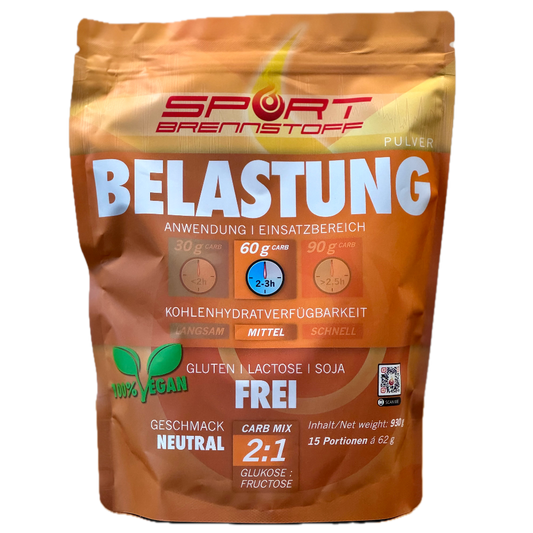
Carbohydrates are essential to replenish your glycogen stores after training. During intense endurance workouts, these stores are depleted and must be rebuilt quickly. A glucose-fructose ratio of 2:1 (as in SportBrennstoff BELASTUNG with 60 g of carbohydrates) enables optimal absorption and rapid availability. Without sufficient carbohydrate intake during the recovery phase, you delay recovery and increase the risk of injury in the next training sessions.
Recovery through a vegan diet is not a mystery - it is chemistry. If you provide the right nutrients at the right time, your body adapts faster and better. SportBrennstoff ERHOLUNG was developed precisely for this purpose: vegan proteins, optimized carbohydrates, minerals, and natural antioxidants. Start with the basic package for €70.00 and experience how much faster your recovery becomes.
Hat einen angenehmen neutralen Geschmack und geht direkt in die Beine! Nutze es in fast jedem Training für meinen Ironman 👍
Hallo Melanie, vielen Dank für deine tolle Rückmeldung! Schön, dass dir der neutrale Geschmack gefällt und dich unser Sportgetränk bei deinen Ironman-Trainings unterstützt. Wir wünschen dir weiterhin viel Erfolg und starke Beine! :-)
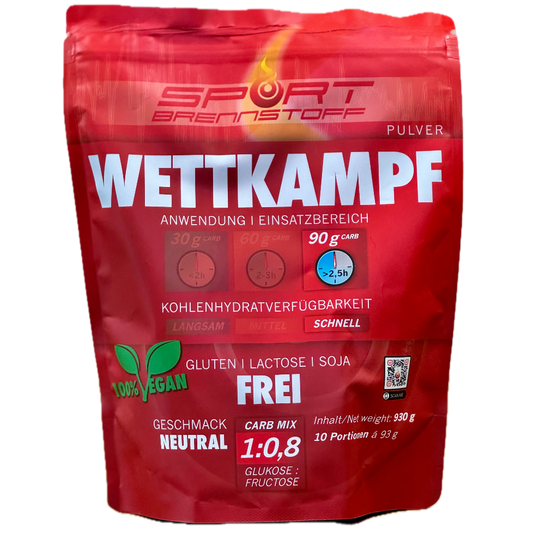
Das Wettkampf-Sportgetränk hat meine Erwartungen voll erfüllt
Das Wettkampf-Sportgetränk hat meine Erwartungen voll erfüllt. Über die gesamte Zeit des Radfahrens (Langdistanz) konnte ich das Getränk zuführen und kam ohne spürbares Energiedefizit in T2 an.
Angenehmer, nicht aufdringlicher oder vordergründiger Geschmack.
Hallo Jens, vielen Dank für deine tolle Rückmeldung! Schön, dass dich das Sportgetränk auf deiner Langdistanz zuverlässig versorgt hat und dir der angenehme, dezente Geschmack gefällt. Wir wünschen dir weiterhin viel Erfolg bei deinen Wettkämpfen! Ingolf
Mit diesen beiden Produkten kommt man wirklich in der Aufbauphase sehr gut klar
Mit diesen beiden Produkten kommt man wirklich in der Aufbauphase sehr gut klar.
Hallo Daniel, danke für dein tolles Feedback! Es freut uns sehr, dass das Basispaket dir in der Aufbauphase so gut hilft. Viel Erfolg weiterhin beim Training!
Tatsächlich ist das 6 Tage in der Woche beim Frühstück dabei
Tatsächlich ist das 6 Tage in der Woche beim Frühstück dabei. Innerhalb von einer halben Stunde ist meine Energie geladen und kann direkt ins Training einsteigen. Noch nie Probleme beide Verdauung
Hallo Daniel, vielen Dank für deine tolle Rückmeldung! Es freut uns sehr, dass das Sportgetränk dich so zuverlässig beim Frühstück und beim Start ins Training unterstützt – und du es gut verträgst. Weiterhin viel Freude beim Training! Ingolf
Super Preis Leistungsverhältnis, wir setzen es zum Muskelaufbau und zur Regeneration ein . Wir sind seit vier Monaten sehr erfolgreich mit diesem Produkten.
Hallo Daniel, vielen Dank für deine positive Rückmeldung! Es freut uns sehr zu hören, dass du mit unserem Recovery Shake so erfolgreich bist. Viel Erfolg weiterhin beim Muskelaufbau und der Regeneration! Dein Team von Sportbrennstoff