At 50, you don't run a marathon with the same metabolism as a 30-year-old. Although maximum heart rate and metabolic rate decrease, the real problem lies deeper: The ability to convert protein into muscle mass declines. Experts call this phenomenon anabolic resistance. The body reacts more weakly to protein stimuli, which is why you need more protein per meal to achieve the same effect as a younger runner.
Runner over 50 resting in the forest after training and paying attention to his sports nutrition for marathon runners over 50
Muscle mass, metabolic rate and hormones
The metabolic rate decreases from 50 onwards mainly because muscle mass is lost, not the other way around. You can break this cycle with two levers: sufficient protein and regular strength training. Without this stimulus, you lose muscle mass with every decade, which gradually undermines your endurance performance. Joint health and anti-inflammatory action thus come more into focus than with younger athletes.
Sarcopenia: The invisible opponent on the last 10 kilometers
Sarcopenia - the age-related loss of muscle mass and muscle strength - begins gradually from around age 40 and accelerates after menopause or the onset of andropause. For marathon runners over 50, this means: The leg strength that carries you over the last 10 kilometers builds up year after year without targeted countermeasures. The consequences are not only slower times, but also a higher risk of injury because the muscular stabilization of the knee joint declines.
Hormonal changes and their consequences for recovery
From around 50, the hormone balance changes in both sexes - in women through menopause, in men through the gradual decline of testosterone. What this specifically means for your marathon preparation:
Estrogen protects bones and blood vessels. If levels drop, the risk of stress fractures increases - especially with high running volume.
Testosterone promotes muscle building and recovery. A lower level prolongs the recovery time after long runs.
Cortisol (stress hormone) has a stronger catabolic effect in older athletes, i.e., breaks down muscle. Too much training without sufficient recovery amplifies this effect.
Anti-inflammatory action: The underestimated lever for joints and recovery
With increasing age, chronic low-grade inflammation in the body increases - experts call it "inflammaging". For runners over 50, this means: The joints react more sensitively to the impact load of marathon training, and recovery after intense sessions takes longer.
Anti-inflammatory foods can specifically support this:
Omega-3 fatty acids from linseed oil, walnuts and algae oil dampen inflammatory processes.
Berries (blueberries, cherries) provide anthocyanins that reduce oxidative stress.
Turmeric in combination with black pepper improves the bioavailability of curcumin, a natural anti-inflammatory.
Green leafy vegetables such as spinach and kale provide vitamin K and calcium for bone health.
Important insightFor marathon runners over 50, nutrition is no longer purely an energy issue. It must fulfill three additional tasks: maintain muscle mass (protein + strength training), cushion hormonal changes (recovery + sleep), and dampen inflammation (omega-3, berries, turmeric). Those who integrate these three pillars into their preparation from the beginning not only run faster, but also have fewer injuries.
Carbohydrate intake and carbo-loading for marathon runners over 50
Carbo-loading before the marathon also follows the proven pattern at 50: In the three days before the race, you specifically fill your glycogen stores. The difference lies in the timing and in the tolerability. Your digestive process reacts more sensitively, and your blood sugar level fluctuates more easily. Therefore, rely on whole grain products, rice, potatoes and oatmeal instead of sugary snacks.
Filling glycogen stores before the race
Start carbo-loading three days before the start and gradually increase carbohydrate intake instead of increasing it abruptly. A common mistake is the radical change on the evening before. This leads to a feeling of fullness and digestive problems on race day. Eat familiar foods that you have already tested in training. You deliberately keep the fiber low on the last day.
Correctly meeting the protein requirements for older endurance athletes
The protein requirements of older endurance athletes are higher than those of younger athletes. While younger runners get by with around 1.2 to 1.4 grams per kilogram of body weight, you need 1.6 to 1.8 grams from 50 onwards, spread over several meals. The distribution is crucial: 25 to 30 grams of high-quality protein per meal stimulates protein biosynthesis more reliably than a large portion in the evening.
Why protein utilization changes from 50 onwards
The real difference lies not in the quantity, but in the utilization. Three mechanisms play a role:
Anabolic resistance: The muscle reacts more weakly to a single protein stimulus. You need a higher dose per meal to even stimulate muscle protein synthesis.
Slowed gastrointestinal passage: Protein is absorbed more slowly, which extends the availability of amino acids over time.
Lower efficiency of amino acid absorption: The intestine utilizes protein less efficiently, which is why high-quality sources with a complete amino acid profile become more important.
Specific protein sources for runners over 50
The following foods provide about 25 to 30 grams of high-quality protein per serving:
Low-fat quark (250 g) - slowly digestible, ideal before bedtime
Cottage cheese (200 g) - quickly available, good after training
Lentils (150 g cooked) - plant-based, high in fiber, complete when combined with rice
Tofu (200 g) - versatile, well tolerated
Pea protein powder (30 g) - practical for shakes, high leucine content
Chickpeas (150 g cooked) - combinable with whole grain rice
Leucine: The key to muscle protein synthesis
Not all proteins are equal. For muscle protein synthesis, the content of leucine is crucial - a branched-chain amino acid that triggers the building stimulus. In younger athletes, about 2.5 grams of leucine per meal is enough to stimulate synthesis. In those over 50, the threshold is higher, at about 3 to 3.5 grams.
Whey protein (Whey)
Pea protein
Soy protein
Low-fat quark
Eggs
Pro tipA simple test: If you don't want a shake after training, 250 g of low-fat quark with a handful of berries is also enough. This provides around 30 grams of protein and enough leucine for the building stimulus.
Timing: When protein is most effective
For runners over 50, the timing of protein intake is almost as important as the quantity. Three times are particularly relevant:
Within 60 minutes after training: Here the muscle is most receptive. Combine 25 to 30 grams of protein with carbohydrates.
Before bedtime: 30 to 40 grams of slowly digestible protein (e.g., low-fat quark) support overnight recovery.
For breakfast: Many older runners eat too little protein in the morning. 25 to 30 grams already in the morning start muscle protein synthesis for the day.
Stomach-friendly energy supply during the marathon
Stomach-friendly energy supply during the marathon often decides between finishing or giving up. With increasing age, the gastrointestinal tract reacts more sensitively to high carbohydrate concentrations and fructose. Therefore, rely on energy gels and isotonic drinks that you have extensively tested in training. Never try new products for the first time in a race.
Fluid balance and electrolytes during the race
Fluid balance during the race determines how long you maintain your performance. Even a slight fluid loss measurably lowers endurance performance. Don't wait until you are thirsty, but drink small amounts every 15 to 20 minutes according to a fixed plan.
Strengthening bone density through sport and nutrition
Strengthening bone density through sport and nutrition is not a side issue for runners over 50, but injury prevention. Impact loads during running stimulate bone building, but without the right micronutrients, this stimulus remains ineffective. Calcium, vitamin D and magnesium are the foundation so that your skeleton can withstand the stress of a marathon at all.
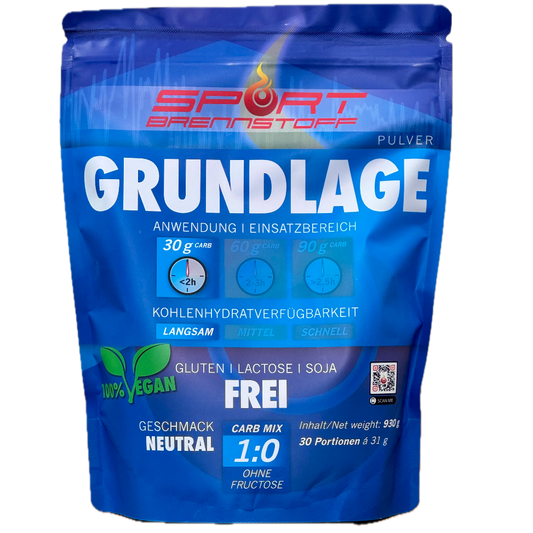
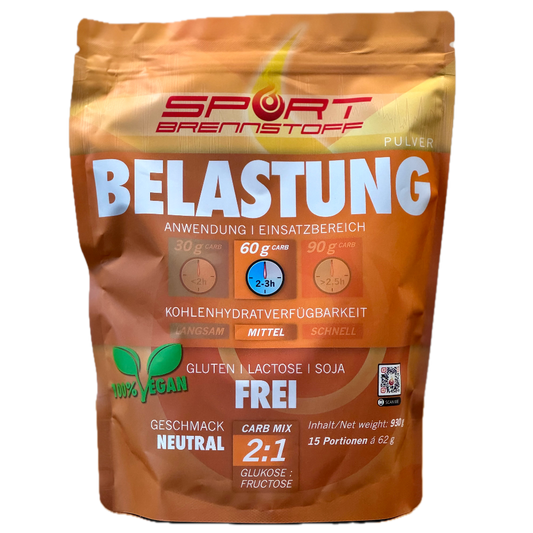
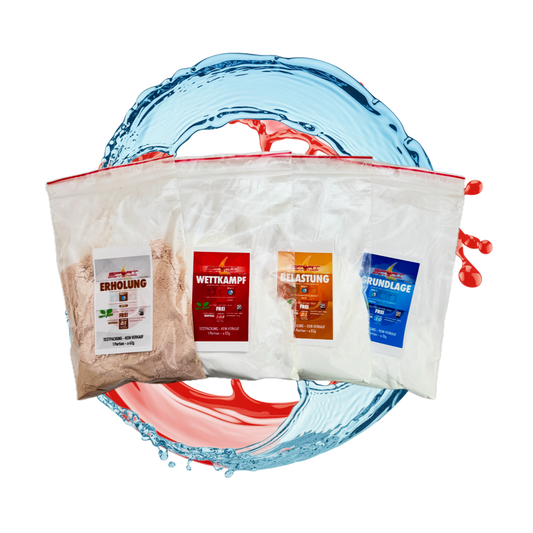
SportBrennstoff GRUNDLAGE * 30g Carbs Drink Mix
Speeding up recovery after the run
Recovery after the run ideally begins within 30 to 60 minutes after crossing the finish line. In this time window, your body refills the glycogen stores most quickly and starts muscle repair. Combine carbohydrates with protein, for example in a ratio of three to one.
Conclusion: Your nutrition plan for the next marathon preparation
Those who tackle a marathon over 50 do not need complicated science, but a system that suits their changed metabolism. The following principles summarize what matters:
Area
Recommendation
Frequency
Protein
1.6-1.8 g per kg body weight, spread over meals
daily
Carbo-loading
Gradually increase carbohydrate intake
3 days before the race
Energy during the run
Tested gels and isotonic drinks
every 30-45 minutes
Fluid
Small amounts with electrolytes
every 15-20 minutes
Recovery
Carbohydrates plus protein in a 3:1 ratio
within 60 minutes
Frequently asked questions
How do the nutrient requirements of marathon runners over 50 change?
From age 50, muscle mass naturally decreases, while protein requirements increase. The body metabolizes carbohydrates more slowly, which promotes stable blood sugar levels. At the same time, bone density decreases, making calcium and vitamin D more important. Fluid intake and electrolyte supply must be managed more consciously, as the sense of thirst decreases. Sports nutrition for marathon runners over 50 should therefore combine more protein, targeted micronutrients, and a stomach-friendly energy supply, rather than simply adopting the plans of younger runners.
How much protein do endurance athletes over 50 need daily?
The protein requirement for older endurance athletes is often 1.6 to 2.0 grams per kilogram of body weight per day to counteract age-related muscle loss. The distribution throughout the day is important: three to four meals with 25 to 30 grams of high-quality protein each support protein biosynthesis better than a large portion in the evening. Plant-based protein sources such as pea and rice protein provide all essential amino acids and are a stomach-friendly option for recovery after long runs.
How many carbohydrates do runners over 50 need during long workouts?
For long workouts of 90 minutes or more, 30 to 60 grams of carbohydrates per hour is a proven guideline, and up to 90 grams for intense competitions. Runners over 50 benefit from a mixture of glucose and fructose in a 2:1 ratio, because different transport pathways in the intestine are used and gastrointestinal tolerance increases. Before the marathon, carbo-loading fills the glycogen stores over two to three days. Test the amount in training, not on race day.
How can nutrition accelerate recovery in older age?
After the run, a window of 30 to 60 minutes applies, during which carbohydrates and protein replenish glycogen stores and initiate muscle recovery. A recovery shake with a carbohydrate-to-protein ratio of about 3:1 is practical if appetite is lacking immediately after the race. Cherry juice and beetroot powder provide antioxidants that mitigate inflammatory processes after intense exertion. Sufficient fluid with electrolytes completes the recovery.
Are vegan diets suitable for marathon runners over 50?
A vegan sports diet can meet the requirements for protein, iron, vitamin B12, and omega-3 if it is carefully composed. For marathon runners over 50, the combination of pea and rice protein is useful because it provides a complete amino acid profile and is easily digestible. Particular attention should be paid to vitamin B12 and calcium to support bone density and nerve function. Nutritional counseling helps to identify gaps in the diet early.
How can I strengthen my bone density as a runner over 50?
Strengthening bone density through sport and nutrition is achieved with two levers: regular strength training two to three times a week and a sufficient intake of calcium, vitamin D, and magnesium. Running alone puts one-sided stress on the bones, which is why additional stimuli are important. Foods such as leafy green vegetables, legumes, and fortified plant drinks provide calcium. The body forms vitamin D through sunlight; supplementation is often useful during the winter months.
How do I test new sports nutrition before the marathon?
New energy gels, drinks, or bars belong in long training runs, not in the race. Start with a small portion and increase the amount over several weeks until you know the dose that is tolerable for you. Note gastrointestinal tolerance, energy level, and blood sugar feeling after each session. This way, you can recognize early which products suit your digestive process. Individual counseling can help adapt the dosage to training intensity and the exertion phase.
What nutrition is recommended for long runs?
For long runs, a combination of isotonic drinks, energy gels, and easily digestible carbohydrate sources works well. Isotonic drinks cover fluid and electrolytes at the same time, which keeps the fluid balance stable. Energy gels provide quickly available carbohydrates when solid food feels heavy in the stomach. Bananas are popular because of their potassium content and good tolerance. Make sure to distribute the intake evenly over the entire run, rather than reacting only when exhausted.
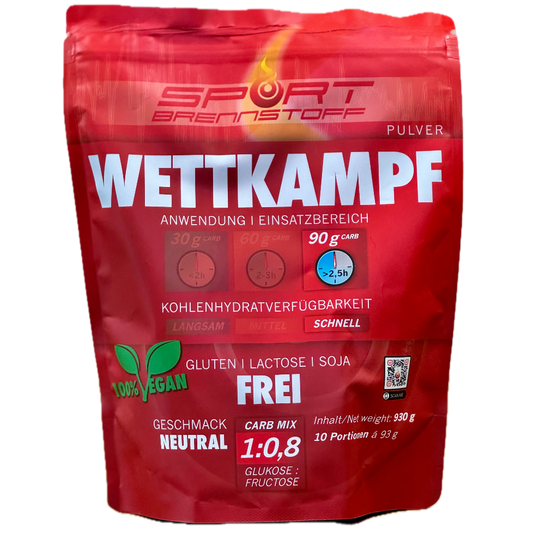
Hat einen angenehmen neutralen Geschmack und geht direkt in die Beine! Nutze es in fast jedem Training für meinen Ironman 👍
Hallo Melanie, vielen Dank für deine tolle Rückmeldung! Schön, dass dir der neutrale Geschmack gefällt und dich unser Sportgetränk bei deinen Ironman-Trainings unterstützt. Wir wünschen dir weiterhin viel Erfolg und starke Beine! :-)
Das Wettkampf-Sportgetränk hat meine Erwartungen voll erfüllt
Das Wettkampf-Sportgetränk hat meine Erwartungen voll erfüllt. Über die gesamte Zeit des Radfahrens (Langdistanz) konnte ich das Getränk zuführen und kam ohne spürbares Energiedefizit in T2 an.
Angenehmer, nicht aufdringlicher oder vordergründiger Geschmack.
Hallo Jens, vielen Dank für deine tolle Rückmeldung! Schön, dass dich das Sportgetränk auf deiner Langdistanz zuverlässig versorgt hat und dir der angenehme, dezente Geschmack gefällt. Wir wünschen dir weiterhin viel Erfolg bei deinen Wettkämpfen! Ingolf
Mit diesen beiden Produkten kommt man wirklich in der Aufbauphase sehr gut klar
Mit diesen beiden Produkten kommt man wirklich in der Aufbauphase sehr gut klar.
Hallo Daniel, danke für dein tolles Feedback! Es freut uns sehr, dass das Basispaket dir in der Aufbauphase so gut hilft. Viel Erfolg weiterhin beim Training!
Tatsächlich ist das 6 Tage in der Woche beim Frühstück dabei
Tatsächlich ist das 6 Tage in der Woche beim Frühstück dabei. Innerhalb von einer halben Stunde ist meine Energie geladen und kann direkt ins Training einsteigen. Noch nie Probleme beide Verdauung
Hallo Daniel, vielen Dank für deine tolle Rückmeldung! Es freut uns sehr, dass das Sportgetränk dich so zuverlässig beim Frühstück und beim Start ins Training unterstützt – und du es gut verträgst. Weiterhin viel Freude beim Training! Ingolf
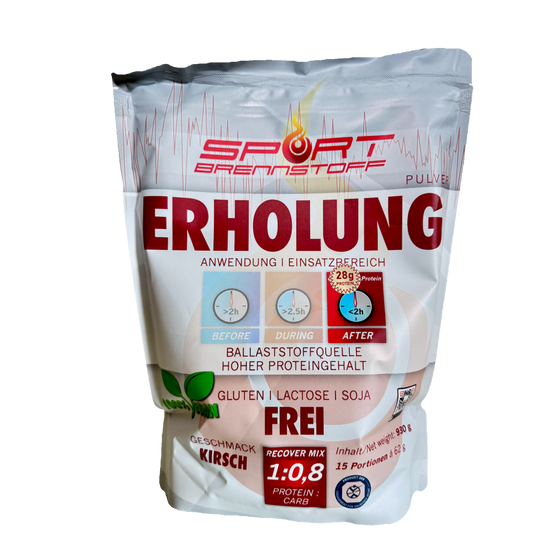
Super Preis Leistungsverhältnis, wir setzen es zum Muskelaufbau und zur Regeneration ein . Wir sind seit vier Monaten sehr erfolgreich mit diesem Produkten.
Hallo Daniel, vielen Dank für deine positive Rückmeldung! Es freut uns sehr zu hören, dass du mit unserem Recovery Shake so erfolgreich bist. Viel Erfolg weiterhin beim Muskelaufbau und der Regeneration! Dein Team von Sportbrennstoff