Why Minerals Determine Performance and Recovery for Athletes
Minerals for athletes are not a minor issue, but a performance-determining factor: Those who train intensely and regularly lose significantly more electrolytes and trace elements through sweat and metabolism than untrained individuals. This is where it is decided whether your body processes the strain properly or slips into exhaustion and cramps. This guide by SportBrennstoff shows you which minerals matter, how to realistically assess your needs, and where supplementation really makes sense.
Micronutrients, Trace Elements, and Electrolytes: The Basics
Micronutrients are all nutrients that the body needs in small amounts but cannot produce itself: vitamins, minerals, and trace elements. Electrolytes are charged minerals such as sodium, potassium, magnesium, and calcium, which control electrical signals and the fluid balance in the body's water. Trace elements such as iron, zinc, and selenium are only needed in milligram or microgram amounts, but a deficiency directly affects metabolism and the immune system.
Electrolyte Balance in Sports: Sodium, Potassium, and Magnesium in Synergy
Electrolyte balance in sports only works as a system: Sodium maintains fluid pressure in the cells, potassium regulates muscle contraction, and magnesium controls the excitability of muscle fibers. If one component fails, the entire chain grinds to a halt.
Endurance athlete cycling, paying attention to their electrolyte balance for minerals for athletes.
Pro TipLook for white salt stains on your clothes after long sessions. They are a practical indication that you are losing a lot through sweat and that your drinks should contain sodium, not just sugar and water.
Sweat Loss and Hydration: What You Lose per Training Session
How much fluid you lose per training session depends on intensity, temperature, and individual sweat rate, and varies greatly between athletes. A simple practical test: Weigh yourself before and after a one-hour session without drinking. The difference in kilograms approximately corresponds to your fluid loss in liters.
Magnesium Requirements for Athletes: Muscle Contraction, Cramps, and Recovery
Magnesium requirements for athletes are often above average because magnesium is lost through sweat and urine and is directly involved in muscle contraction. Magnesium is a central cofactor in energy provision: It is involved in the conversion of ADP to ATP, thus in the process that powers your muscles in the first place.
CautionA common mistake is taking magnesium only when a cramp has already occurred. By this time, absorption is too slow to work acutely. A steady intake throughout the day and around peak exertion is more effective than an emergency dose afterward.
Iron, Zinc, and Calcium: The Underrated Building Blocks for Endurance and the Immune System
Iron, zinc, and calcium only appear on the sidelines in many athlete guides, although they help determine endurance, the immune system, and bone density. Iron is central to oxygen transport: It is located in hemoglobin and determines how much oxygen your blood brings to the muscles. An iron deficiency leads to premature exhaustion and reduced performance, especially in endurance training.
Mineral
Main Function
Typical Deficiency Risk
Iron
Oxygen transport in the blood
Exhaustion, performance drop
Zinc
Immune system, metabolism
Susceptibility to infection, slow recovery
Calcium
Bone substance, muscle contraction
Reduced bone density
Magnesium
Muscle contraction, energy provision
Cramps, prolonged recovery
Sodium
Fluid balance, nerve signals
Headaches, performance drop
Supplements in Sports: Useful or Redundant?
Supplements in sports are useful if there is a real gap, and redundant if they are only intended to cover an unbalanced diet. The honest answer is: Basic nutrition comes first, then the supplement. Those who eat a varied, sufficient, and appropriate diet for the exertion already cover many minerals.
Supplements become practically relevant in three situations:
High exertion: During intense or long sessions, the loss of electrolytes increases faster than you can compensate for it through normal meals.
Limited food selection: Vegan diet or intolerances can make the intake of individual minerals difficult.
Proximity to exertion: During training or competition, you need quickly available nutrients that are hardly practical through solid food.
Bioavailability: Why the Chemical Form Determines the Effect
Bioavailability describes what portion of an absorbed mineral actually reaches and is used by the body. It is the point that most guides skip, although it determines the effect. Not only the raw material is decisive, but also the chemical form - i.e., the salt to which the mineral is bound.
Nutrient Interactions: What Inhibits What
Calcium inhibits iron: Do not take iron-containing foods or iron supplements together with calcium-rich dairy products or calcium supplements. A gap of one to two hours relieves the absorption.
Zinc and iron compete: Both use similar absorption pathways. High-dose iron can lower zinc absorption and vice versa. Those who supplement both should distribute it better throughout the day.
Phytates and polyphenols inhibit: Whole grain products, legumes, coffee, and tea contain substances that bind iron and zinc. Vitamin C and pickled, fermented foods can partially compensate for the effect.
Sodium and potassium work together: Both control the fluid balance and should be in a balanced ratio, instead of being replaced unilaterally.
Important InsightWith minerals, it is not the amount on the label that counts, but the amount your body utilizes. Chemical form, time of intake, and combination with other nutrients determine the actual effect.
Those who know these connections can use supplements specifically instead of a one-size-fits-all approach - and avoid the typical mistakes that eat away at the benefits.
Dosing Minerals Correctly for Athletes: Personalized Needs Analysis Instead of a One-Size-Fits-All Approach
A personalized needs analysis beats any blanket recommendation, because sweat rate, training volume, and diet vary greatly individually. The one-size-fits-all approach, i.e., the same dose for everyone, leads to under-supply in some and unnecessarily high intake in others.
Record exertion: Note the training volume, intensity, and duration of your sessions over two weeks.
Estimate losses: Use the weighing test after training to determine your approximate sweat rate.
Check diet: Keep track for a few days which mineral-rich foods actually end up on your plate.
Identify gaps: Compare your intake with the reference values and pay attention to known risk nutrients like iron and magnesium.
Supplement specifically: Close only the gaps you really have, and adjust the dose to the exertion phases.
Vegan Mineral Sources and Sustainability in Sports
Vegan mineral sources are no longer a compromise today, but a conscious choice with clear advantages for absorption and sustainability. Plant foods provide magnesium through nuts, seeds, legumes, and whole grains. Calcium is found in green leafy vegetables, sesame, almonds, and enriched plant drinks. You can find iron in legumes, oatmeal, and dark green vegetables, where you can specifically improve the absorption through vitamin C. Zinc is abundantly available in pumpkin seeds, lentils, and whole grain products.
Knowing and Avoiding Plant-Based Absorption Inhibitors
Many plant foods contain natural substances that bind minerals and make absorption difficult. Those who know this can specifically counteract:
Phytates in whole grains, legumes, and nuts bind iron, zinc, and calcium. Soaking, sprouting, and fermenting (e.g., sourdough bread instead of yeast bread) significantly lower the phytate content.
Oxalates in spinach, beets, and rhubarb bind calcium and iron. Combine oxalate-rich foods with low-oxalate calcium sources such as broccoli, kale, or enriched plant drinks.
Polyphenols in coffee, tea, and red wine inhibit iron absorption. Separate coffee and tea from iron-rich meals by at least one hour.
Fiber in high amounts can additionally lower mineral absorption. Distribute iron- and zinc-rich foods over several meals instead of bundling them in one.
Targeted Use of Absorption Enhancers
Vitamin C is the strongest enhancer of plant-based iron. A glass of orange juice, bell pepper, broccoli, or sea buckthorn with the iron-rich meal can noticeably improve the absorption.
Fermented foods such as sauerkraut, kimchi, or tempeh provide organic acids that make minerals more available.
Soaking and sprouting of legumes, grains, and seeds reduces phytates and increases the bioavailability of iron and zinc.
Separate intake of calcium and iron: Do not take calcium-rich plant drinks or supplements at the same time as iron-rich meals.
Sustainability as a Side Effect, Not a Compromise
Pro TipKeep a simple food diary for one week and mark iron-rich meals. Check if you combine them with vitamin C and if coffee or tea are separated in time. Even small shifts can significantly increase the actually absorbed amount of iron.
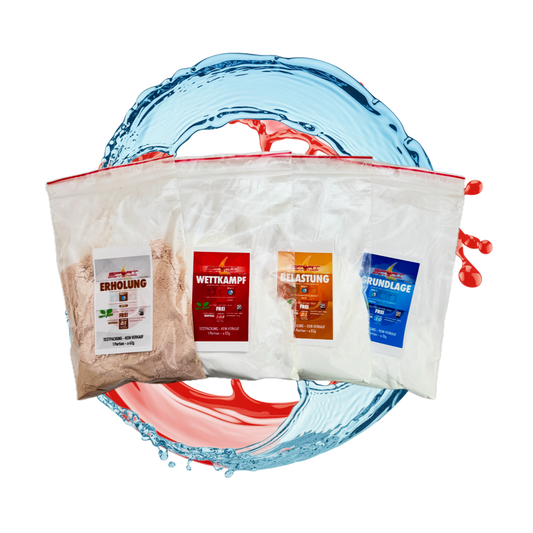
For athletes who want to build their supply in a structured way, there are suitable packages, such as the SportBrennstoff Basic Package for Your Training for endurance and recovery or the SportBrennstoff Complete Package for all training phases. Both are vegan, gentle on the stomach, Made in Germany, and Kölner Liste® certified.
SportBrennstoff Complete Package
SportBrennstoff Basic Package for Your Training
Conclusion: Minerals for Athletes as Part of a Systematic Concept
Minerals for athletes do not work in isolation, but as part of a coordinated system of nutrition, hydration, and training management. Providing sodium, magnesium, iron, and zinc in a targeted manner and appropriate to the training phase sustainably supports performance and recovery. This is exactly where SportBrennstoff comes in: with scientifically formulated, vegan, and gentle-on-the-stomach products for every level of exertion, Kölner Liste® certified and Made in Germany. The individual dosage according to training intensity makes the concept more than just a drink.
Frequently Asked Questions
Which minerals are particularly important for athletes?
For endurance athletes, sodium, magnesium, potassium, and calcium are paramount, along with iron and zinc. Sodium and potassium regulate the electrolyte balance and hydration, magnesium supports muscle contraction and recovery, and calcium is relevant for bone density. Iron contributes to oxygen transport via hemoglobin, while zinc supports metabolism and the immune system. Which minerals for athletes are actually a priority depends on training volume, sweat loss, and diet.
How does a mineral deficiency manifest during intense exertion?
Common signs are muscle cramps, persistent fatigue, performance drops in endurance training, and delayed recovery. An increased susceptibility to infections can also indicate insufficient supply of zinc or iron. Such symptoms are non-specific and can have multiple causes, so it makes sense to seek medical clarification before assuming supplementation as the explanation.
Should athletes supplement minerals or take them through food?
A balanced diet usually covers the daily requirement for moderate training volume. If the exertion increases, sweat loss increases, or vegan diets limit the selection, targeted supplementation can be useful. The individual needs analysis is crucial: Those who sweat a lot need more sodium, while vegans should keep an eye on iron and zinc. Blanket recommendations are no substitute for a personal assessment.
What role does magnesium play in muscle recovery?
Magnesium is involved in muscle contraction and relaxation and supports energy metabolism. An increased magnesium requirement in athletes arises from sweat loss and the increased metabolism during intense sessions. Adequate supply can contribute to normal muscle function. Whether supplementation is necessary depends on the basic supply through foods such as nuts, whole grains, and legumes.
Are there differences in mineral requirements between endurance and strength athletes?
Yes. Endurance athletes lose mainly sodium, potassium, and magnesium through sweat, which is why the electrolyte balance and hydration are paramount. Strength athletes often have a higher requirement for magnesium and zinc due to intense muscle training and recovery processes. The exact amount cannot be determined blanketly; it depends on training volume, climate, and individual sweat rate.
What should you look for when it comes to the quality of mineral supplements?
Look for traceable information on the compound form and dosage, because bioavailability differs significantly depending on the compound. For competitive athletes, a doping test is relevant, such as the Kölner Liste® in Germany. Products that fit your training phase are also useful, rather than an undifferentiated all-in-one supplement. Individual tolerance, especially among athletes with sensitive stomachs, should be a priority.
Can I also supply minerals during a competition?
Yes, electrolytes can be supplied via sports drinks during the competition. It is important that you test the product beforehand in intense training sessions so that you know how your stomach reacts to it. Too high a concentration of carbohydrates or minerals can cause stomach problems. For a 90-minute session, a moderate supply is often sufficient, while the requirement increases with longer exertion.
Hat einen angenehmen neutralen Geschmack und geht direkt in die Beine! Nutze es in fast jedem Training für meinen Ironman 👍
Hallo Melanie, vielen Dank für deine tolle Rückmeldung! Schön, dass dir der neutrale Geschmack gefällt und dich unser Sportgetränk bei deinen Ironman-Trainings unterstützt. Wir wünschen dir weiterhin viel Erfolg und starke Beine! :-)
Das Wettkampf-Sportgetränk hat meine Erwartungen voll erfüllt
Das Wettkampf-Sportgetränk hat meine Erwartungen voll erfüllt. Über die gesamte Zeit des Radfahrens (Langdistanz) konnte ich das Getränk zuführen und kam ohne spürbares Energiedefizit in T2 an.
Angenehmer, nicht aufdringlicher oder vordergründiger Geschmack.
Hallo Jens, vielen Dank für deine tolle Rückmeldung! Schön, dass dich das Sportgetränk auf deiner Langdistanz zuverlässig versorgt hat und dir der angenehme, dezente Geschmack gefällt. Wir wünschen dir weiterhin viel Erfolg bei deinen Wettkämpfen! Ingolf
Mit diesen beiden Produkten kommt man wirklich in der Aufbauphase sehr gut klar
Mit diesen beiden Produkten kommt man wirklich in der Aufbauphase sehr gut klar.
Hallo Daniel, danke für dein tolles Feedback! Es freut uns sehr, dass das Basispaket dir in der Aufbauphase so gut hilft. Viel Erfolg weiterhin beim Training!
Tatsächlich ist das 6 Tage in der Woche beim Frühstück dabei
Tatsächlich ist das 6 Tage in der Woche beim Frühstück dabei. Innerhalb von einer halben Stunde ist meine Energie geladen und kann direkt ins Training einsteigen. Noch nie Probleme beide Verdauung
Hallo Daniel, vielen Dank für deine tolle Rückmeldung! Es freut uns sehr, dass das Sportgetränk dich so zuverlässig beim Frühstück und beim Start ins Training unterstützt – und du es gut verträgst. Weiterhin viel Freude beim Training! Ingolf
Super Preis Leistungsverhältnis, wir setzen es zum Muskelaufbau und zur Regeneration ein . Wir sind seit vier Monaten sehr erfolgreich mit diesem Produkten.
Hallo Daniel, vielen Dank für deine positive Rückmeldung! Es freut uns sehr zu hören, dass du mit unserem Recovery Shake so erfolgreich bist. Viel Erfolg weiterhin beim Muskelaufbau und der Regeneration! Dein Team von Sportbrennstoff