What the Cologne List Is and What Purpose It Serves
The Cologne List is an independent database of certified dietary supplements and sports nutrition products developed specifically for athletes. The benefits of Cologne List-certified sports nutrition lie in independent testing and transparency. It tests products for selected doping substances and gives athletes peace of mind when purchasing. The goal is clear: to minimize the risk of doping without making product recommendations or giving guarantees.
The list was created to address a simple problem. Athletes often do not know if their dietary supplements are contaminated. A product may unintentionally contain substances that are on the doping list. A positive doping test can destroy a career, even if the contamination was unintentional.
This is where the Cologne List offers a solution: regular, independent laboratory analyses. Products are tested for banned substances. If they pass the tests, they are added to the database. Athletes can look them up there and know: This product has been tested.
It is important to understand: A listing is not a product recommendation. It does not say that the product is effective or that you should buy it. It only says: This product has been tested for certain doping substances and showed satisfactory results in the latest analysis.
Key TakeawayThe Cologne List reduces doping risk through independent laboratory testing, but it does not recommend products or give guarantees.
How Dietary Supplements Are Tested for Doping Substances
The testing process is rigorous and scientific. Laboratory technicians test samples for selected anabolic steroids, stimulants, and other banned substances. The analyses follow standardized methods and are repeated regularly.
Here is how the process works:
Sample Collection: The manufacturer or distributor sends product samples to the laboratory
Documentation: Each sample is recorded, including batch number, expiration date, and ingredients
Laboratory Analysis: Specialists test for banned active ingredients using state-of-the-art measuring technology
Results Report: The laboratory reports whether the sample is satisfactory or shows contamination
Regular Repetition: Products are not tested only once; new batches are analyzed regularly
The tests are not simple. Modern laboratories can detect even minute quantities of banned substances. This means: If a product is in the database, it has been thoroughly tested.
But here is the important limitation: Not all doping substances are tested. The Cologne List tests for selected substances, not every banned substance that exists. This is an important difference that athletes must understand.
Close-up of a laboratory analysis with test tubes and testing equipment in a modern sports science laboratory, with the focused gaze of the laboratory technician
CautionListing does not mean: The product is free from all doping substances. It means: The product has been tested for selected substances and showed satisfactory results.
Checking Products on the Cologne List: How the Database Works
The product database is publicly accessible and free to use. No subscription, no registration. You can check at any time whether a product is currently listed.
Step 1: Identify the Product Exactly
Do not search for the brand name alone. A manufacturer may offer several variants of the same product, with different flavors, dosages, or delivery forms. Each variant may have its own entry.
Step 2: Search for the Entry in the Database
Enter the product name or browse by category. The database generally shows you:
Product name and manufacturer
Test date of the latest analysis
Tested batch or batch range
Which substance groups were tested
Whether the sample was satisfactory
Validity period of the listing
Step 3: Match the Batch, the Most Important Step
The listing refers to a specific batch, not the product itself. You will find a batch number on the packaging, often near the best-before date. Compare this number with the database entry.
Step 4: Evaluate the Test Date
An entry from three years ago says little about the batch you find on the shelf today. As a rule of thumb: The older the test date, the less relevant it is for your current product.
Step 5: Match the Tested Substances with Your Sport
The database documents which substance groups were tested. Check whether the substances relevant to your sport and your federation are covered. An entry that only tested for stimulants says nothing about anabolic steroids.
Step 6: Save the Documentation
Take a screenshot of the database entry with the date, batch number, and test result. Keep it together with the product packaging.
Pro TipDo not check the database only once at the time of purchase, but again when you open a new package. Months can pass between purchase and consumption, during which a new batch may come onto the market.
The systematic checking of ingredients through independent analyses underscores the fundamental importance of laboratory tests for the safety and purity of dietary supplements when making any deliberate selection.
A common mistake: Athletes only check whether the product name was listed at some point and skip the batch comparison. In doing so, they bypass the exact step that has the greatest relevance.
At SportBrennstoff, we understand that athletes need clarity.
Cologne List Certified: Meaning and Difference from Standard Doping Testing
The terms are constantly confused: listing, certification, recommendation. But they mean three different things. Those who confuse them draw false conclusions from a database entry.
Listing means: A product or batch has been analyzed and is listed in the database. The listing is a documented finding, not a judgment on quality or suitability.
Certification is often used as a general term for any form of external testing. Strictly speaking, certification requires a defined set of requirements that a product or manufacturer meets.
Recommendation means: Someone actively advises you to use this product. The database does not make a recommendation. It only documents a test result. If a manufacturer derives a recommendation from a listing, that is marketing, not the content of the test.
Clearly separating these three terms is the most important step in correctly interpreting advertising claims.
External laboratory testing, not by the manufacturer itself
Testing for defined substance groups
Regular repetition with new batches
Publicly documented results
No financial dependence on the manufacturer
The crucial difference lies not in the number of tests, but in independence and repetition. A one-time test of a batch says little about the next batch. A listing that is updated regularly has a different level of relevance.
CautionA listing is neither a certification according to a standard nor a recommendation. It documents a test result at a point in time for a specific batch.
If a product is advertised only as "tested", ask: Who tested it? How often? For what substances? Is the result publicly documented? And does the test refer to the batch you are buying? These five questions separate a reliable test from a marketing claim.
Many manufacturers advertise "doping testing" or "tested for doping substances". This sounds credible, but without the five answers, it says little. An independent, regularly repeated, and publicly documented test is what makes the difference, not the word "tested" on the packaging.
Checking Sports Nutrition Ingredients: What Athletes Should Look Out For
Before you buy a product, you should check the ingredients yourself. The Cologne List tests for doping substances, but not for quality, tolerability, or effectiveness.
These are the most important points:
Active ingredients: What is really in the product? Does it match the description?
Allergy issues: Does the product contain gluten, lactose, nuts, or other allergens?
Stomach tolerance: Are the ingredients easy to digest, or can they cause cramps?
Natural origin: Do the substances come from natural sources, or are they synthetic additives?
Batch and expiration date: Is the product current, and has the current batch been tested in the database?
A common mistake: Athletes blindly trust the Cologne List and do not check the ingredients themselves. This is wrong. The list tests for doping substances, not whether the product is suitable for you personally.
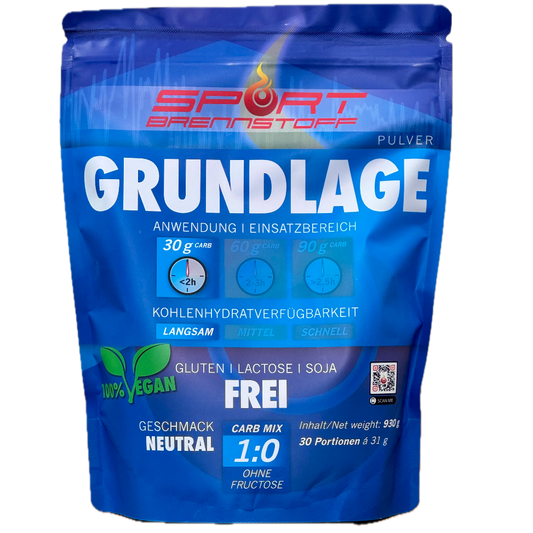
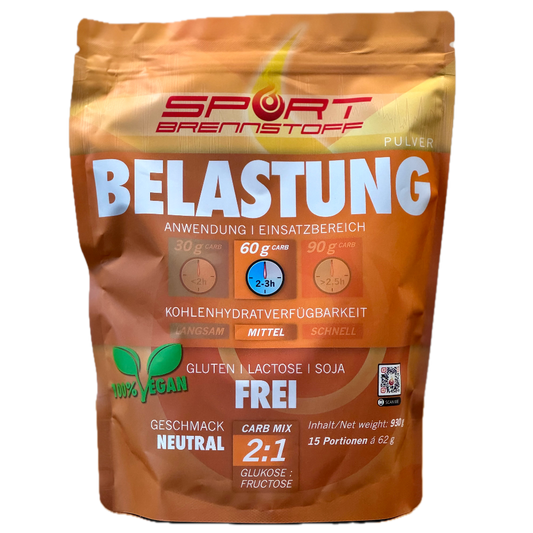
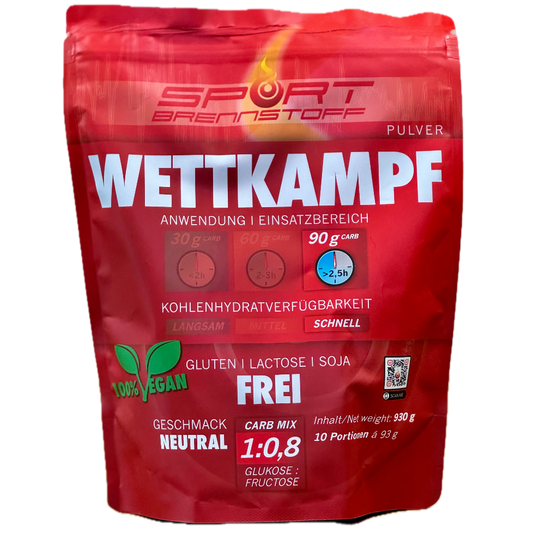
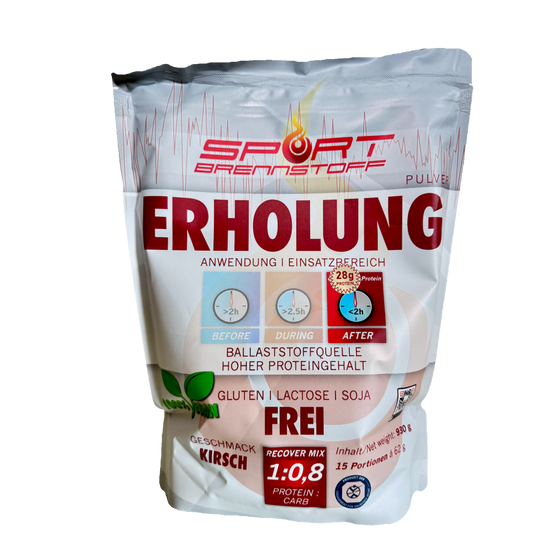
At SportBrennstoff, we work transparently. Our products are vegan, easy on the stomach, and scientifically formulated for different levels of exertion. Every ingredient is documented and justified.
Dietary Supplements and Doping Risk: How Listing Protects
The doping risk is real. Contamination often occurs unintentionally, caused by:
Contaminated raw materials
Inadequate hygiene standards in production
Incorrect labeling
Outdated or improperly stored batches
The Cologne List significantly reduces this risk. A listed product has been independently tested. This does not mean: Zero risk. It means: The risk is minimized.
How does the listing specifically protect?
Independent testing: An external laboratory, not the manufacturer itself, conducts the tests. This eliminates conflicts of interest.
Regular repetition: New batches are tested again. If a batch is contaminated, it will be detected.
Transparent documentation: Every test result is public. Athletes can see exactly which substances were tested and when.
Specialized testing: The tests focus on doping substances, not general quality. This is precise and focused.
This is not perfect. But it is significantly better than no testing or internal manufacturer tests.
Ideal forAthletes in competitive sports who want to minimize doping risk without investing time in complex research.
Practical Checklist for Safe Product Selection
Before you buy a dietary supplement, work through this checklist:
Is the product listed in the current Cologne List database?
Was the current batch (batch number) tested, or only an older one?
Which doping substances were tested? Are they the ones relevant to your sport?
Are the ingredients suitable for you (allergies, stomach tolerance, tolerability)?
Does the product come from a reputable manufacturer with documented quality control?
Does the product suit your training phase (base training, intensive training, competition)?
Have you tested the product in training before using it in competition?
Is the test date no older than 12 months?
This checklist helps you proceed systematically and avoid overlooking important points.
Step
Action
Time Required
Check database
Enter product name, confirm current listing
2-3 min.
Compare batch number
Look up the packaging and compare it with the database entry
1 min.
Analyze the ingredients
Read the list, check for allergies and tolerance
5 min.
Research the manufacturer
Check quality standards and certifications
5 min.
Training test
Test the product during a training session
variable
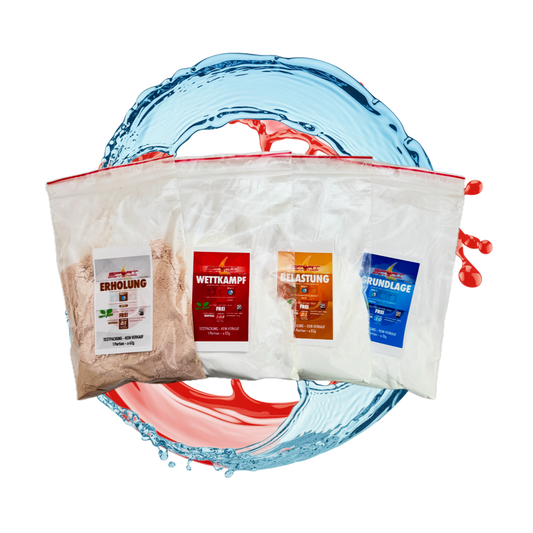
SportBrennstoff has simplified this complexity. All our products are Cologne List certified, vegan, gentle on the stomach, and scientifically formulated. This means you can focus on the checklist, knowing that the basics are already covered.
Limitations of Certification and Residual Risk
Here is the uncomfortable truth: Even Cologne List certification does not offer absolute certainty.
The Cologne List DOES NOT test for:
All banned doping substances (only selected ones)
Overall product quality or effectiveness
Your personal tolerance
Long-term effects or safety
New substances that were banned later
This remains your risk:
If you take a listed product and later test positive, the listing does not automatically help you. You must prove that you took the product in good faith and were unaware of the issue. This is not easy.
A positive doping test despite taking a listed product can occur if:
The batch was contaminated and the last test was too long ago
The listing applied to a different batch than the one you purchased
A substance was newly banned in the meantime
The product was stored incorrectly or damaged
This is not an argument against the Cologne List. It is an argument that you remain responsible. The listing is a tool for risk reduction, not risk elimination.
Athletes must understand: Ultimately, you are responsible for what goes into your body. The Cologne List helps you exercise this responsibility with the right information. It does not relieve you of it.
Frequently Asked Questions
What is the Cologne List for dietary supplements?
The Cologne List is an independent database of listed dietary supplements and sports nutrition products that are regularly tested for selected doping substances. Being listed does not mean that a product is free of doping substances, but rather that it has been tested for certain banned substances. Athletes use the database to identify products with a reduced risk of doping and to make more informed product choices.
What are the benefits of a product on the Cologne List?
Cologne List certified products are tested by independent laboratory analyses for selected doping substances such as anabolic steroids and stimulants. This significantly reduces the risk of contamination. For competitive athletes, this means greater safety in competition and less fear of unintentional doping due to contaminated raw materials. The regular analyses offer additional product safety compared to untested products.
Does a listing on the Cologne List mean that a product is guaranteed to be free of doping substances?
No. A database entry means that the product has been tested for selected doping substances and showed no issues during the analysis. It is not a guarantee or a product recommendation. New doping substances or contamination from product variants and batches cannot be completely ruled out. Athletes remain personally responsible and should check before competitions which products are currently listed.
How can I check if a sports nutrition product is on the Cologne List?
You can search the official product database online and filter by product name, manufacturer, or ingredient. Enter the exact product name—variants and different batches may have been tested differently. Check the test date to ensure that the analysis is up to date. Many manufacturers provide links to their listed products, which makes searching easier.
Cologne List certified sports nutrition provides a solid foundation for making safe product choices. But safety comes from a combination: independent testing, your own research, and making conscious choices. At SportBrennstoff, we support you with products that meet all these requirements, are scientifically sound, regularly tested, and specially developed for endurance athletes. Discover how certified sports nutrition can enhance your performance and confidence.
Hat einen angenehmen neutralen Geschmack und geht direkt in die Beine! Nutze es in fast jedem Training für meinen Ironman 👍
Hallo Melanie, vielen Dank für deine tolle Rückmeldung! Schön, dass dir der neutrale Geschmack gefällt und dich unser Sportgetränk bei deinen Ironman-Trainings unterstützt. Wir wünschen dir weiterhin viel Erfolg und starke Beine! :-)
Das Wettkampf-Sportgetränk hat meine Erwartungen voll erfüllt
Das Wettkampf-Sportgetränk hat meine Erwartungen voll erfüllt. Über die gesamte Zeit des Radfahrens (Langdistanz) konnte ich das Getränk zuführen und kam ohne spürbares Energiedefizit in T2 an.
Angenehmer, nicht aufdringlicher oder vordergründiger Geschmack.
Hallo Jens, vielen Dank für deine tolle Rückmeldung! Schön, dass dich das Sportgetränk auf deiner Langdistanz zuverlässig versorgt hat und dir der angenehme, dezente Geschmack gefällt. Wir wünschen dir weiterhin viel Erfolg bei deinen Wettkämpfen! Ingolf
Mit diesen beiden Produkten kommt man wirklich in der Aufbauphase sehr gut klar
Mit diesen beiden Produkten kommt man wirklich in der Aufbauphase sehr gut klar.
Hallo Daniel, danke für dein tolles Feedback! Es freut uns sehr, dass das Basispaket dir in der Aufbauphase so gut hilft. Viel Erfolg weiterhin beim Training!
Tatsächlich ist das 6 Tage in der Woche beim Frühstück dabei
Tatsächlich ist das 6 Tage in der Woche beim Frühstück dabei. Innerhalb von einer halben Stunde ist meine Energie geladen und kann direkt ins Training einsteigen. Noch nie Probleme beide Verdauung
Hallo Daniel, vielen Dank für deine tolle Rückmeldung! Es freut uns sehr, dass das Sportgetränk dich so zuverlässig beim Frühstück und beim Start ins Training unterstützt – und du es gut verträgst. Weiterhin viel Freude beim Training! Ingolf
Super Preis Leistungsverhältnis, wir setzen es zum Muskelaufbau und zur Regeneration ein . Wir sind seit vier Monaten sehr erfolgreich mit diesem Produkten.
Hallo Daniel, vielen Dank für deine positive Rückmeldung! Es freut uns sehr zu hören, dass du mit unserem Recovery Shake so erfolgreich bist. Viel Erfolg weiterhin beim Muskelaufbau und der Regeneration! Dein Team von Sportbrennstoff