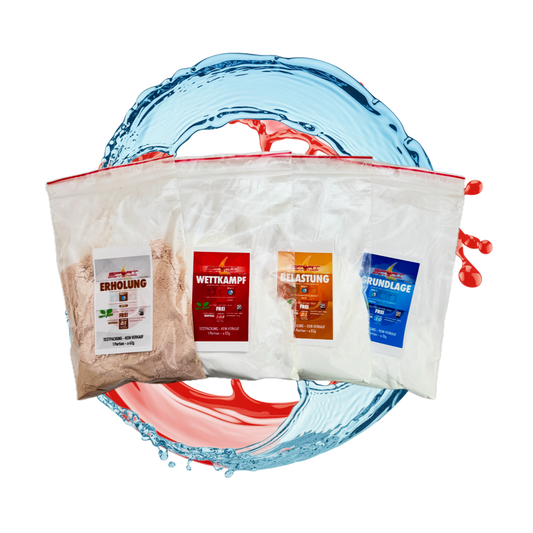
SportBrennstoff and the Triathlon Team Wetterau are joining forces
Who is SportBrennstoff?
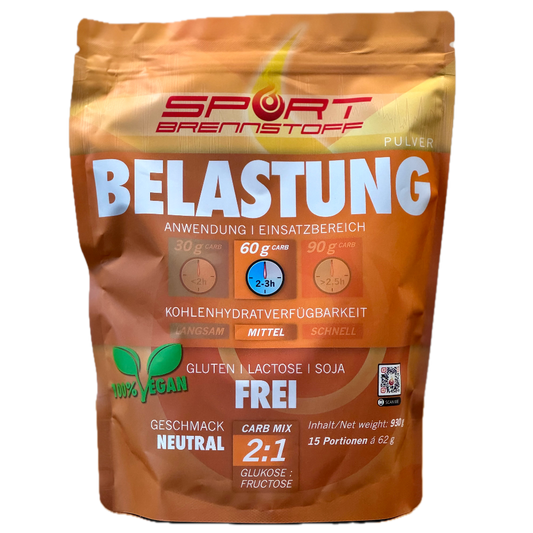
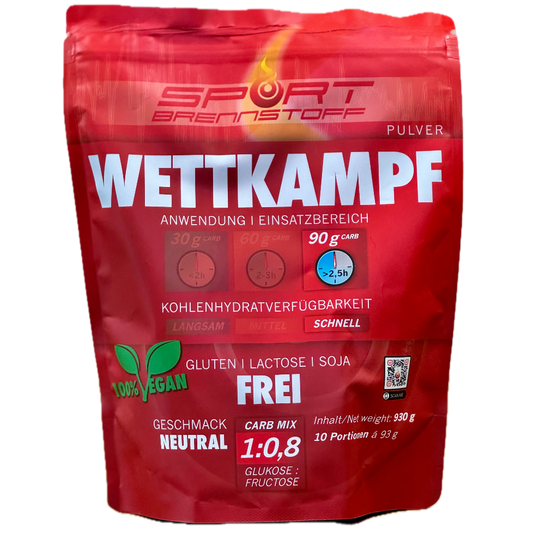
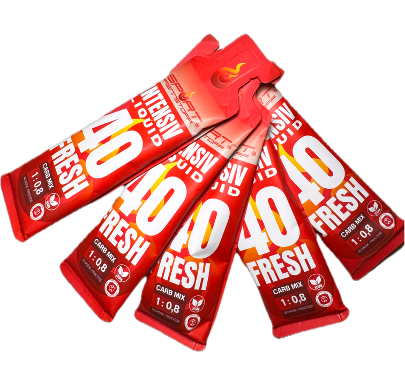
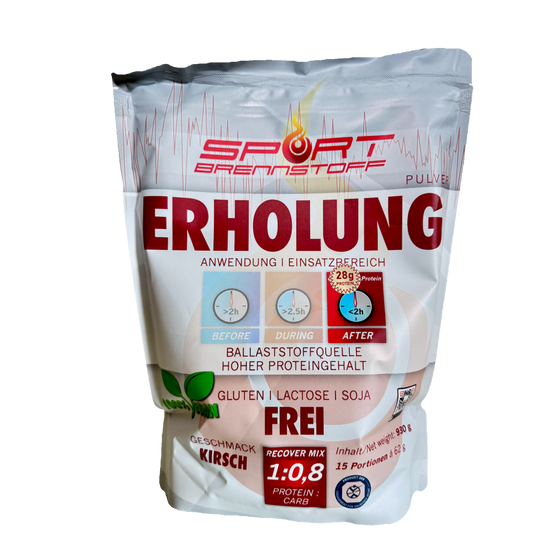
SportBrennstoff specializes in sports nutrition and endurance fuel – from gels and bars to high-carbohydrate drinks. Three things are at the forefront, which can make the difference between success and failure in triathlon:
-
Stomach comfort: Products with carefully designed compositions that are well tolerated even under race-day stress.
-
Predictability in competition: Clear information on carbohydrate amounts and easy practical implementation – so you know exactly how much energy you are providing and when.
-
Practical advice: No theoretical knowledge from an ivory tower, but tips that suit your training routine, your distances, and your stomach.
In short: SportBrennstoff helps you not to leave your energy in competition to chance.
Who is the Triathlon Team Wetterau?
The Triathlon Team Wetterau is an ambitious team from the Wetterau region in Hesse. The roster includes:
-
Beginners who are taking their first steps in endurance sports,
-
ambitious age-groupers who are fighting for personal best times,
- Athletes who compete in Sprint and Olympic distances as well as long-distance.
The team stands for:
-
Passion for triathlon – swimming, cycling, and running as a lifestyle
- Community and mutual support
-
Regional connection to the Wetterau and the surrounding events
This is exactly where the partnership with SportBrennstoff comes in.
What the partnership specifically entails
The collaboration between SportBrennstoff and the Triathlon Team Wetterau is deliberately long-term and practice-oriented. The most important building blocks:
1. Product sponsorship for more energy in training and competition
Athletes of the Triathlon Team Wetterau receive discounted purchasing terms for all products in SportBrennstoff's range.
Goal: Improve performance and recovery while also finding out which products and strategies work best in practice.
2. Joint content projects: Share knowledge instead of keeping it to yourself
Together with the Triathlon Team Wetterau, SportBrennstoff is planning:
-
Training insights from practice: What does preparation for a middle-distance or long-distance race really look like?
-
Tips on sports nutrition in triathlon: What to eat before the start, how much to drink, how many grams of carbohydrates per hour?
-
Experience reports from the Wetterau: Which strategies worked in the race – and which didn't?
This content is intended to help athletes avoid typical mistakes and specifically improve their endurance nutrition.
3. Presence at races in the region
SportBrennstoff and the Triathlon Team Wetterau want to be visible at selected events in the Wetterau region and surrounding areas. This way, not only team members benefit, but the entire regional triathlon community.
4. Mutual exchange of experience
The heart of the partnership: Feedback loops.
- The Triathlon Team Wetterau tests products and strategies under real conditions.
- SportBrennstoff uses this feedback to align its advice, product selection, and communication even better with the needs of amateur and age-group triathletes.
This creates a real win-win situation for athletes, customers, and the region.
How athletes specifically benefit from the cooperation
Realistic examples from everyday training
Imagine you are preparing for your first middle-distance race:
- You train 8–12 hours per week.
- Long bike rides beyond 3 hours are new to you.
- You know that energy in competition is crucial – but not how to practically plan it.
Through the partnership, you get access to:
-
Proven nutrition strategies from the Triathlon Team Wetterau (e.g., how much energy on the bike, how many carbohydrates per hour, which combination of drinks and liquids works well).
-
Concrete product examples from SportBrennstoff that are stomach-friendly and predictable.
-
Experience reports: What worked in the race in the heat? What in cool temperatures? What was still well tolerated during the run?
Knowledge from an age-grouper for age-groupers
Especially in the amateur and age-group area, individual support, which professional teams enjoy, is often missing. The cooperation aims to close this gap:
- Content is tailored to working professionals, parents, and hobby athletes.
- It is about feasibility: What can really be implemented in everyday life?
- The focus is on proven strategies, not on extreme experiments.
Regional connection as extra motivation
If you yourself come from the Wetterau or the surrounding area, it is motivating to see:
-
There are athletes from my region who ride similar distances, participate in the same races, and struggle with comparable conditions.
- You indirectly benefit from their experiences – for example, how to deal with regional typical courses with nutrition, heat, cold, or profile.
This makes triathlon more tangible, more approachable, and a real community thing.
Basics of sports nutrition in triathlon (High-Level)
The partnership between SportBrennstoff and the Triathlon Team Wetterau is based on scientifically well-established principles of endurance nutrition. Here is an overview – without medical advice, but with clear practical relevance.
Energy requirements: How many carbohydrates per hour?
Current sports science recommendations for endurance exercise are roughly:
-
up to approx. 1 hour: water is usually enough, small amounts of carbohydrates optional
-
1–2.5 hours (e.g., Sprint/Olympic distance): approx. 30–60 g of carbohydrates per hour
-
> 2.5 hours (Middle and Long distance): approx. 90–120 g of carbohydrates per hour, ideally combined from glucose and fructose
Why this is important:
- Your glycogen stores are limited.
- Without additional energy, a performance drop or the famous "bonk" threatens.
- A good triathlon nutrition stabilizes performance and concentration.
Liquid, semi-liquid, solid: What makes sense?
In triathlon, the following basic principles have proven themselves:
-
On the bike: You usually tolerate a little more – here drinks, liquids, and selected bars make sense.
-
While running: Every jolt counts – therefore rather Liquids + water or light sports drink.
What has proven itself:
-
Drinks with approx. 6–8% carbohydrates (6–8 g per 100 ml)
-
Gels with 30–40 g of carbohydrates, ideally always taken with water
-
Sports bars with little fat and fiber, especially on the bike
SportBrennstoff pays exactly attention to these points in the product selection – stomach comfort is at the very top.
Stomach comfort: typical problem, clear solutions
Many triathletes know:
- Stomach cramps
- Nausea
- “Bubbling” in the stomach
- Diarrhea shortly or during the race
Frequent causes:
- Too concentrated drinks or too many gels without enough water
- Unusual products on race day
- High fat or fiber content in the food
- Too large single portions
Practical tips that are also repeatedly discussed within the framework of the cooperation:
-
Test products in training, not in competition.
-
Smaller portions at shorter intervals instead of huge amounts at once.
- Always drink 150–250 ml of water with gels.
- Before and during the race, rather avoid fatty, very high-fiber, and very high-protein foods.
Example: A simple nutrition plan for a middle-distance race (High-Level)
The concrete implementation always depends on body weight, pace, weather, and individual preferences. But a rough, practical framework looks like this, for example:
Before the start (2–3 hours before)
- High-carbohydrate breakfast (e.g., white bread/rolls with honey or jam, some banana)
- Little fat, little fiber, moderate protein
Shortly before the start (up to approx. 15 minutes)
- Small carbohydrate snack (e.g., half a roll, half a banana, or a small gel)
- A few sips of water or light carbohydrate drink
On the bike (approx. 2–3 hours depending on the distance)
Target: 60–90 g of carbohydrates per hour
A possible mix:
- 1 bottle (500–750 ml) of carbohydrate drink with approx. 40–60 g of carbs
- 1 gel with 20–30 g of carbs per hour
- Optional: a light sports bar, taken in several bites
During the run
Target: approx. 50–70 g of carbohydrates per hour
- 1 gel every 20–25 minutes (20–25 g of carbs)
- Water or diluted sports drink at every aid station
SportBrennstoff and the Triathlon Team Wetterau will work together to develop exactly these kinds of practical examples, adapting them to different distances and performance levels.
Partnership Goals: More Than Just Discounts
The partnership pursues clear goals that go far beyond traditional sponsorship.
1. Improve performance and recovery
Thoughtful sports nutrition in triathlon and well-planned endurance nutrition can help:
- Maintain peak performance longer
- Reduce performance drops
- Shorten recovery times (e.g. by using recovery products effectively after long workouts)
The Triathlon Team Wetterau serves as a living lab here – a team that tests strategies and shares experiences.
2. Strengthen knowledge in the amateur and age-group categories
Instead of "trial & error", the goal is to create more structure:
- Easy-to-understand content on the basics of triathlon nutrition
- Checklists for races (What should be on the bike? Which gels in the running belt?)
- FAQ formats: Typical questions asked by age-group athletes
This is how a knowledge base will be created that everyone can benefit from – from beginners to ambitious athletes.
3. Support the regional triathlon community
The Wetterau region and its surroundings offer ideal conditions for endurance sports. The partnership aims to make these strengths visible through:
- Presence at regional races
- Cooperation with local clubs and events (where appropriate and possible)
- Exchange with other teams and individual athletes
The stronger the triathlon community in the region becomes, the more everyone will benefit – athletically, socially, and emotionally.